
Building Sustainable Digital Economies Through Participation in Africa
July 14, 2026Why Africa’s Digital Future Must Be Participation-Driven
July 15, 2026By Ibrahim | TrueVoiceAfrica.com
Introduction
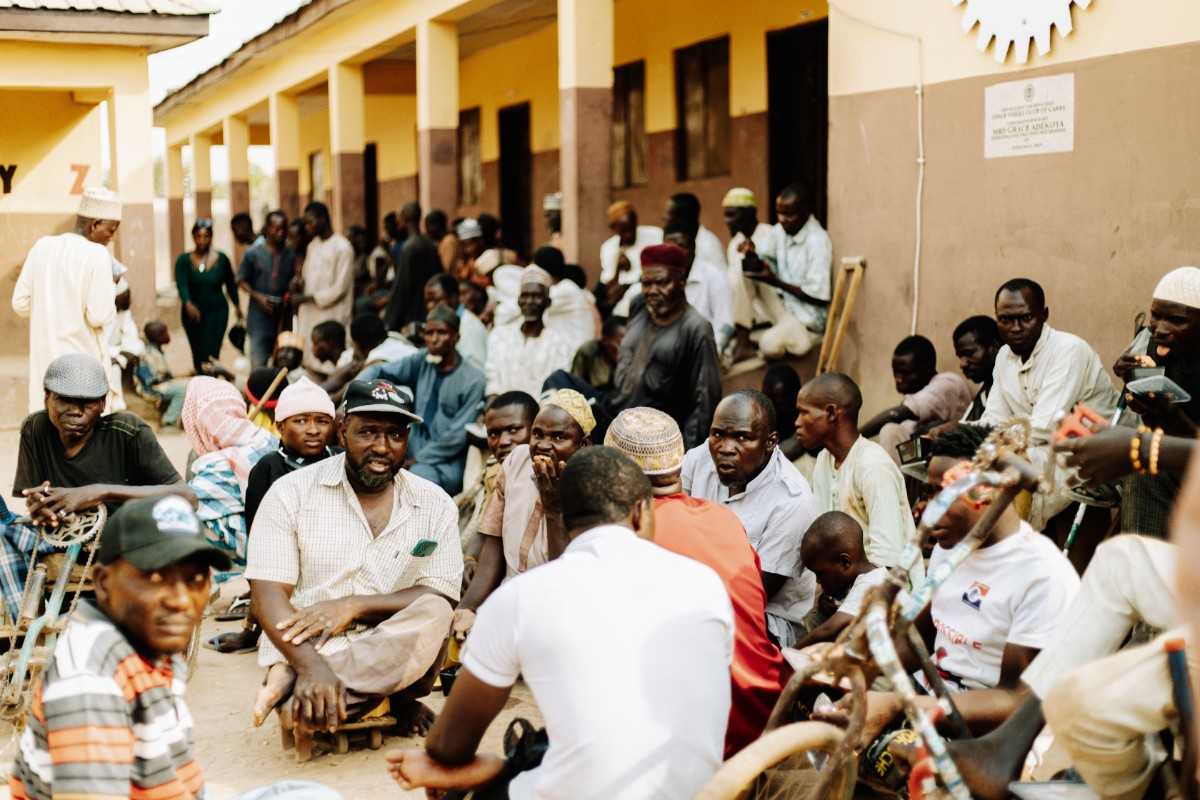
Africa’s development journey has often been shaped by two dominant approaches: individual entrepreneurship and large-scale government or donor-funded projects. While both approaches are important, they do not fully capture one of Africa’s greatest strengths—its tradition of collective participation. Across the continent, communities have long relied on cooperation, mutual support, and shared responsibility to solve problems and improve livelihoods.
From traditional cooperative farming systems to community savings groups and collective labor initiatives, Africans have demonstrated that working together can produce remarkable results. In the digital age, this communal spirit can be amplified through technology. Digital platforms now offer new opportunities for communities to organize, collaborate, contribute resources, and share value across geographic distances.
Collective participation is more than a cultural tradition; it is a powerful development strategy. When communities participate together rather than in isolation, they can create more inclusive, resilient, and sustainable solutions to Africa’s challenges.
Africa’s Tradition of Communal Effort
Collective action has deep roots in African societies. Long before the emergence of modern development institutions, communities organized themselves to build roads, cultivate land, support vulnerable families, and resolve local disputes. These systems were based on trust, reciprocity, and a shared commitment to the common good.
Examples of traditional collective participation include:
- Cooperative farming systems
- Community savings and lending groups
- Mutual aid associations
- Collective labor projects
- Community-based conflict resolution
- Shared management of natural resources
These practices demonstrate that collective participation is not a foreign concept in Africa. It is a natural extension of the continent’s social fabric and cultural values.
Extending Collective Action into the Digital Age
Digital technology has transformed the way people communicate and organize. In Africa, mobile phones and internet connectivity have created new possibilities for collective participation on a much larger scale.
Digital platforms can enable communities to:
- Organize group projects
- Share information and knowledge
- Pool financial resources
- Coordinate community initiatives
- Participate in collective campaigns
- Monitor development projects
- Share economic benefits fairly
By combining traditional communal values with modern digital tools, Africa can create innovative models of development that are both culturally relevant and technologically advanced.
Amplifying Impact Through Group Action
One of the greatest advantages of collective participation is its ability to amplify impact. An individual acting alone may have limited resources and influence, but a coordinated group can achieve outcomes that would otherwise be impossible.
For example, collective participation can support:
- Community infrastructure projects
- Cooperative business ventures
- Group savings and investment schemes
- Collective marketing of agricultural products
- Community health campaigns
- Educational initiatives
- Environmental conservation projects
When people work together, they can share risks, combine resources, and leverage their collective strength to achieve common goals. This is particularly important in communities where individual resources may be limited.
Collective Participation and Economic Development
Collective participation can play a significant role in economic development by creating opportunities for shared prosperity. Cooperative models, community-owned enterprises, and group investment schemes can help distribute economic benefits more equitably.
In agriculture, for instance, farmers who organize collectively can negotiate better prices, access larger markets, and reduce production costs. In urban areas, community-based enterprises can create jobs and provide essential services.
Digital platforms can further enhance these opportunities by enabling:
- Collective crowdfunding
- Group purchasing
- Shared digital marketplaces
- Cooperative e-commerce platforms
- Community investment funds
- Transparent value-sharing mechanisms
Such models can help reduce inequality and ensure that economic growth benefits a wider segment of the population.
Strengthening Social Cohesion
Beyond economic benefits, collective participation strengthens social cohesion. When people work together toward shared goals, they build trust, solidarity, and a sense of belonging. These social bonds are essential for peaceful and resilient societies.
Collective participation can help:
- Reduce social isolation
- Promote mutual understanding
- Encourage civic engagement
- Resolve community conflicts
- Build stronger local institutions
- Foster a shared sense of responsibility
In societies facing ethnic, political, or economic divisions, collective projects can create opportunities for people from different backgrounds to collaborate and build common ground.
Building Economic Resilience
African economies are often vulnerable to external shocks such as commodity price fluctuations, climate change, and global economic downturns. Collective participation can help communities build resilience by creating shared safety nets and diversified sources of income.
For example, community savings groups and cooperative enterprises can provide financial support during difficult times. Collective farming initiatives can improve food security, while community-based tourism projects can generate local income.
Digital platforms can strengthen this resilience by making it easier for communities to coordinate responses to crises, share resources, and access financial support.
The Role of Governments and Institutions
To unlock the full potential of collective participation, governments and development institutions must create enabling environments. This includes providing legal recognition for cooperatives, supporting community-based organizations, and investing in digital infrastructure.
Key policy measures include:
- Expanding affordable internet access
- Supporting digital literacy programmes
- Creating legal frameworks for cooperatives
- Providing funding for community initiatives
- Encouraging public-private partnerships
- Ensuring transparency in digital platforms
Governments should also involve communities in the design and implementation of development projects, ensuring that local voices are heard and respected.
Challenges to Collective Participation
Despite its potential, collective participation faces several challenges, including:
- Limited digital access in rural areas
- Low levels of digital literacy
- Lack of trust in institutions
- Inadequate legal frameworks
- Unequal participation within communities
- Limited access to financing
Addressing these challenges requires deliberate efforts to ensure that collective participation is inclusive, transparent, and accessible to all members of society.
A New Model for African Development
Africa has an opportunity to pioneer a new model of development that combines traditional communal values with modern digital innovation. Rather than relying solely on top-down projects or individual entrepreneurship, the continent can embrace collective participation as a central pillar of its development strategy.
This model would prioritize:
- Community ownership
- Shared decision-making
- Fair distribution of benefits
- Inclusive participation
- Digital empowerment
- Long-term sustainability
By doing so, Africa can create development systems that are more responsive to local needs and more capable of generating broad-based prosperity.
Conclusion
Collective participation is one of Africa’s greatest untapped strengths. Rooted in centuries of communal cooperation, it offers a powerful framework for addressing the continent’s modern development challenges. In the digital age, technology can amplify this tradition by enabling communities to organize, collaborate, and share value more effectively than ever before.
By supporting collective participation through digital platforms, cooperative models, and inclusive policies, African countries can build economies that are more resilient, societies that are more cohesive, and development processes that are more equitable.
The future of African development should not be built only by governments or individual entrepreneurs. It should be built collectively—by communities working together, sharing responsibility, and creating prosperity for all. Collective participation is not just a strategy for development; it is a reflection of Africa’s enduring spirit of unity and shared progress.
