
How SINNTS Can Empower African Communities Through Participation
June 25, 2026The Role of Technology in Accelerating Africa’s Development
June 26, 2026By Ibrahim I M | truevoiceafrica.com
Introduction
For decades, many African economies have relied heavily on exporting raw materials such as crude oil, minerals, agricultural commodities, and other natural resources.
While these exports have generated significant revenue, they have not consistently produced broad-based economic development, sufficient employment opportunities, or sustainable prosperity.
As a result, many African countries continue to face challenges such as high unemployment, limited industrial capacity, low productivity, and vulnerability to external economic shocks.
To achieve lasting economic transformation, Africa must move beyond exporting raw materials and prioritize industrialization.
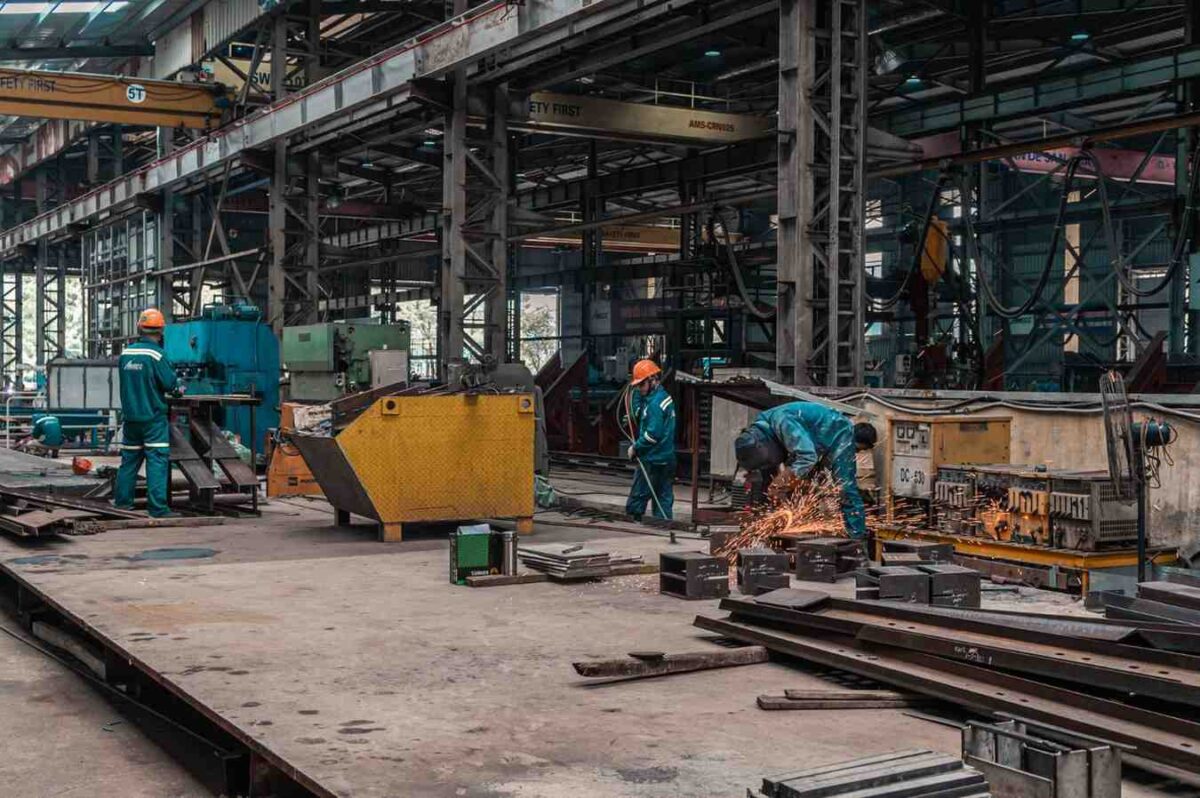
Industrialization—the process of developing manufacturing industries and expanding value-added production—remains one of the most important pathways to economic growth, job creation, and long-term competitiveness.
If Africa is to fully realize its economic potential, industrial development must remain at the center of national and continental development strategies.
Creating Quality Jobs and Reducing Unemployment
One of the greatest challenges facing Africa today is unemployment, particularly among young people.
Africa has the world’s youngest population, with millions of young people entering the labor market every year.
Creating sufficient employment opportunities for this growing workforce is essential for social stability and economic progress.
Historically, industrialization has been one of the most effective ways to generate large-scale employment.
Manufacturing industries create jobs not only within factories but also across related sectors such as:
- Transportation.
- Logistics.
- Agriculture.
- Technology.
- Services.
- Supply chain management.
Industrial expansion therefore has a multiplier effect throughout the economy.
By investing in industrial development, African countries can create decent jobs, reduce poverty, and improve living standards for millions of people.
Moving Up the Value Chain
Many African countries continue to export raw materials while importing finished products at significantly higher prices.
This pattern limits the economic benefits derived from Africa’s abundant natural resources.
Industrialization allows countries to process raw materials domestically, add value, and capture a greater share of global economic returns.
For example:
- Cocoa can be processed into chocolate.
- Cotton can be transformed into textiles and garments.
- Minerals can be refined into industrial products.
- Agricultural produce can be processed into packaged goods.
Value addition increases export earnings, stimulates local industries, and creates employment opportunities across multiple sectors.
Moving up the value chain is therefore essential for increasing national income and promoting sustainable economic growth.
Building Economic Resilience
Heavy dependence on commodity exports exposes African economies to fluctuations in global prices.
When commodity prices decline, government revenues, export earnings, and economic growth often suffer significantly.
Industrialized economies tend to be more diversified and resilient.
A strong industrial base enables countries to reduce dependence on a narrow range of exports while creating multiple sources of economic activity.
Diversification strengthens economies by:
- Reducing vulnerability to external shocks.
- Expanding export opportunities.
- Increasing domestic production.
- Enhancing food and energy security.
- Supporting long-term economic stability.
Building resilient economies has become increasingly important in an era characterized by global uncertainty and economic disruptions.
Enhancing Global Competitiveness
In today’s global economy, competitiveness depends largely on productivity, innovation, and industrial capacity.
Countries with advanced manufacturing sectors are generally better positioned to compete in international markets.
Industrialization helps African nations to:
- Develop technological capabilities.
- Improve productivity.
- Encourage innovation.
- Strengthen research and development.
- Expand exports.
- Attract domestic and foreign investment.
Moreover, participation in regional and global value chains increasingly requires strong industrial capabilities.
Without substantial industrial growth, Africa risks remaining on the margins of the global economy while other regions continue to advance technologically and economically.
Supporting the African Continental Free Trade Area (AfCFTA)
The African Continental Free Trade Area presents a historic opportunity to accelerate industrialization across the continent.
AfCFTA creates access to a large integrated market of more than one billion people.
However, for African countries to maximize these opportunities, they must produce goods competitively.
Industrialization will enable countries to:
- Increase manufacturing output.
- Expand intra-African trade.
- Develop regional value chains.
- Improve export competitiveness.
- Generate employment opportunities.
A strong industrial base will ensure that Africa trades more value-added products within the continent rather than relying primarily on imports from outside the region.
Industrialization and AfCFTA are therefore closely interconnected.
Why Industrialization Must Remain a Strategic Priority
Industrialization is not an outdated development model.
Rather, it remains a fundamental driver of economic transformation across the world.
Countries that have achieved sustained economic growth have generally done so through industrial development, technological advancement, and productivity improvements.
For Africa, prioritizing industrialization means investing in:
- Infrastructure development.
- Energy systems.
- Skills development.
- Innovation ecosystems.
- Manufacturing capacity.
- Supportive industrial policies.
These investments will help create the foundation for long-term prosperity and inclusive growth.
Conclusion
Industrialization remains essential for Africa’s long-term economic transformation.
By prioritizing industrial development, African nations can create jobs, add value to their natural resources, strengthen economic resilience, and compete more effectively in the global economy.
Industrial growth will also support regional integration, expand trade opportunities, and improve living standards across the continent.
As Africa seeks to build prosperous and inclusive economies, industrialization must remain a central pillar of both national and continental development strategies.
The future of Africa will depend not only on the resources it possesses but also on its ability to transform those resources into value, innovation, and sustainable prosperity.
