
The Rise of Smart Homes: How IoT Is Transforming Everyday Living
June 10, 2026How Social Media Marketing Can Turn Followers into Paying Customers
June 14, 2026
Introduction
The way people pay for goods and services has changed dramatically over the past decade. Carrying cash is no longer the only option, as digital wallets and cashless payment systems have made transactions faster, safer, and more convenient.
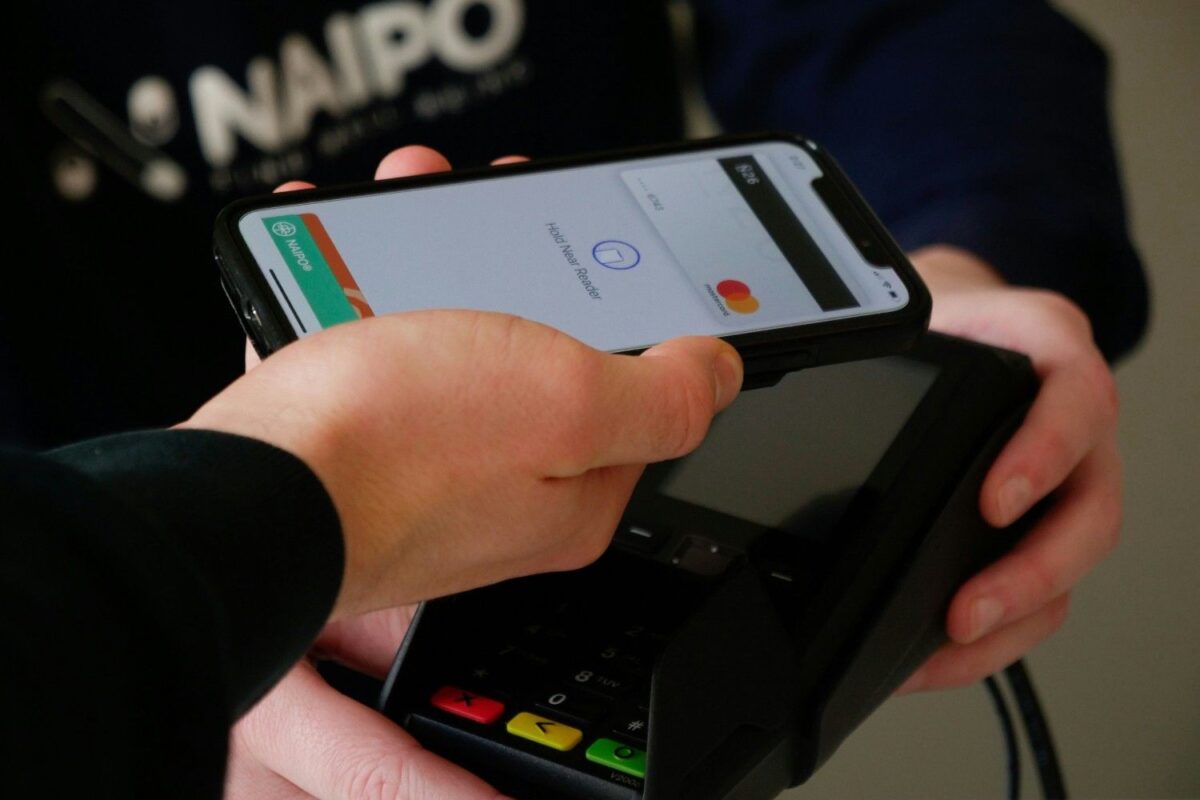
Whether you’re shopping online, paying at a supermarket, transferring money to a friend, or purchasing public transport tickets, digital wallets allow you to complete transactions with just a few taps on your smartphone or smartwatch.
As businesses and consumers continue to embrace digital technology, understanding how digital wallets work has become increasingly important. This guide explains everything you need to know about digital wallets and the growing cashless economy.
What Are Digital Wallets?
A digital wallet is an electronic application or platform that securely stores payment information, allowing users to make transactions without using physical cash or cards.
Instead of carrying multiple bank cards, users can store payment methods digitally and authorize purchases through their mobile devices.
Digital wallets may store:
- Debit cards
- Credit cards
- Bank account details
- Gift cards
- Loyalty cards
- Transit passes
- Digital tickets
They simplify payments while reducing the need for physical wallets.

How Digital Wallets Work
Digital wallets use encrypted technology to securely process transactions.
A typical payment process involves:
- The user opens the wallet app.
- The desired payment method is selected.
- Authentication is completed using a PIN, fingerprint, or facial recognition.
- Payment information is securely transmitted.
- The transaction is approved within seconds.
Many systems use tokenization, replacing sensitive card details with temporary digital tokens to reduce fraud risks.

Benefits of Digital Wallets
1. Fast and Convenient Payments
Digital wallets eliminate the need to count cash or insert physical cards.
Users can pay within seconds using:
- Smartphones
- Smartwatches
- Tablets
- QR codes
- Contactless terminals
This speed improves the customer experience both online and in physical stores.
2. Enhanced Security
Modern digital wallets include multiple security layers such as:
- Encryption
- Tokenization
- Biometric authentication
- Two-factor authentication
- Fraud monitoring
Even if a phone is lost, unauthorized users typically cannot access payment information without authentication.
3. Better Financial Tracking
Most wallet applications automatically record every transaction.
Users can:
- Review spending history
- Track monthly expenses
- Monitor subscriptions
- Manage budgets more effectively
This visibility helps individuals make informed financial decisions.
4. Contactless Payments
Contactless technology became especially popular because it minimizes physical contact during transactions.
Benefits include:
- Faster checkout
- Reduced wear on physical cards
- Improved hygiene
- Greater convenience
Many retailers now support tap-to-pay systems worldwide.
5. Easy Online Shopping
Digital wallets simplify online purchases by eliminating the need to repeatedly enter payment information.
With one confirmation, users can complete purchases securely and quickly.
This often reduces abandoned shopping carts and improves customer satisfaction.
Types of Digital Wallets
Closed Wallets
Can only be used within a specific company or platform.
Example uses include:
- Store credits
- Gift balances
- Company-specific payment systems
Semi-Closed Wallets
Accepted by selected merchants that partner with the wallet provider.
Users can make purchases across multiple businesses but cannot always withdraw cash.
Open Wallets
These support payments, transfers, and in some cases cash withdrawals through participating financial institutions.
They offer the greatest flexibility for everyday transactions.
Cashless Payments Explained
Cashless payments refer to financial transactions completed without physical money.
Common cashless payment methods include:
- Digital wallets
- Bank transfers
- Debit cards
- Credit cards
- QR code payments
- Mobile banking apps
- Contactless cards
Governments and businesses increasingly encourage cashless systems because they improve efficiency and transparency.
Advantages for Businesses
Businesses also benefit from adopting cashless payment solutions.
Faster Transactions
Shorter checkout times improve customer satisfaction.
Reduced Cash Handling
Less physical cash reduces theft risks and counting errors.
Better Record Keeping
Digital payment histories simplify accounting and auditing.
Expanded Customer Reach
Accepting multiple payment methods attracts more customers.
Challenges of Digital Wallets
Despite their benefits, digital wallets have some limitations.
Internet Dependence
Some transactions require stable internet access.
Device Dependency
Users may struggle if their smartphone battery dies or devices malfunction.
Cybersecurity Risks
Poor security practices can expose accounts to phishing or fraud attempts.
Limited Acceptance
Some small businesses or rural areas may still rely primarily on cash.
Tips for Using Digital Wallets Safely
To maximize security:
- Enable biometric authentication.
- Use strong passwords.
- Activate two-factor authentication.
- Keep apps updated.
- Avoid public Wi-Fi for sensitive transactions.
- Monitor account activity regularly.
- Lock your phone with a PIN or fingerprint.
Following these habits significantly reduces security risks.
The Future of Cashless Payments
The future of digital payments is expected to include:
- More biometric authentication
- AI-powered fraud detection
- Central bank digital currencies (CBDCs)
- Faster international transfers
- Wider QR code adoption
- Greater integration with wearable devices
As technology advances, digital wallets will likely become the primary payment method for millions of people worldwide.
Frequently Asked Questions
What is a digital wallet?
A digital wallet is an application that securely stores payment information and allows users to make electronic transactions.
Are digital wallets safe?
Yes. Most use encryption, tokenization, and biometric authentication to protect user information.
Can I use a digital wallet without internet?
Some contactless transactions may work offline, but many features require internet connectivity.
Do digital wallets replace bank accounts?
No. Most digital wallets complement bank accounts rather than replace them.
Conclusion
Digital wallets have transformed the way people pay, shop, and manage money. They provide speed, convenience, enhanced security, and better financial tracking while supporting the global shift toward cashless economies.
Whether you’re an individual looking for easier payments or a business seeking more efficient transactions, adopting digital wallet technology can simplify everyday financial activities and prepare you for the future of digital commerce.
