
The Economic Case for Greater African Integration
June 22, 2026The Role of the African Union in Shaping the Continent’s Future
June 23, 2026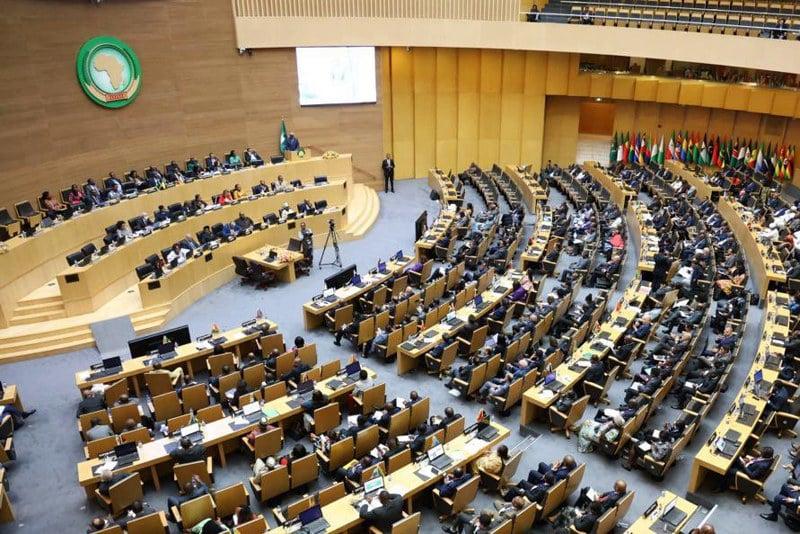
Introduction
Africa’s future will largely be determined by its ability to work together in addressing common challenges and seizing shared opportunities. In a world increasingly shaped by globalization, technological change, and geopolitical competition, no African country can achieve its full potential in isolation.
This is where the African Union (AU) becomes critically important.
Established in 2002 to replace the Organization of African Unity (OAU), the African Union was created to promote unity, peace, economic integration, and sustainable development across the continent. Over the years, the AU has emerged as Africa’s primary continental institution, providing a platform for cooperation and collective action.
As Africa navigates complex economic, political, and security challenges, the role of the African Union in shaping the continent’s future has become more important than ever.
Understanding the African Union
The African Union is a continental organization that brings together all African countries to promote cooperation and advance shared goals.
Its major objectives include:
- Promoting peace and security
- Accelerating economic integration
- Advancing sustainable development
- Defending Africa’s interests globally
- Promoting democracy and good governance
- Encouraging cooperation among member states
The AU’s long-term vision is reflected in Agenda 2063, a strategic framework designed to transform Africa into a prosperous, peaceful, and integrated continent.
Coordinating Continental Integration Efforts
One of the African Union’s most significant responsibilities is coordinating continental integration initiatives.
Africa’s development depends heavily on greater cooperation among its nations. The AU provides the framework that enables countries to work together toward common objectives.
Supporting the African Continental Free Trade Area
The African Union played a central role in establishing the African Continental Free Trade Area (AfCFTA), one of the world’s largest free trade agreements.
The AU helps by:
- Promoting policy coordination
- Encouraging trade harmonization
- Facilitating cooperation among member states
- Supporting implementation efforts
Without continental coordination, many integration initiatives would remain fragmented and less effective.
Promoting Regional Cooperation
The AU also works closely with Regional Economic Communities (RECs), such as:
- ECOWAS
- SADC
- EAC
- COMESA
- IGAD
These organizations serve as important building blocks for continental integration.
Promoting Peace, Security, and Stability
Peace and security remain essential for development.
Conflict, political instability, and insecurity continue to hinder economic progress in several parts of Africa. The African Union has therefore made peace and security one of its top priorities.
The African Peace and Security Architecture
The AU established the African Peace and Security Architecture (APSA) to address conflicts and security threats.
Its responsibilities include:
- Conflict prevention
- Mediation and diplomacy
- Peacekeeping operations
- Early warning systems
- Post-conflict reconstruction
Although challenges remain, the AU has played important roles in addressing various conflicts across the continent.
Combating Emerging Security Threats
The organization also works with member states to address:
- Terrorism
- Violent extremism
- Transnational crime
- Cybersecurity threats
- Humanitarian crises
Coordinated responses are increasingly necessary because many security challenges cross national borders.
Driving African Union Continental Development
Economic transformation remains one of the AU’s primary objectives.
The organization supports initiatives aimed at:
- Industrialization
- Infrastructure development
- Digital transformation
- Youth empowerment
- Sustainable development
Advancing Agenda 2063
Agenda 2063 outlines Africa’s long-term aspirations, including:
- A prosperous Africa based on inclusive growth
- An integrated continent
- Good governance and democracy
- Peace and security
- A strong cultural identity
- Global influence and partnerships
This vision provides a roadmap for African Union continental development.
Supporting Infrastructure Development
The AU recognizes that infrastructure is essential for economic growth.
It therefore promotes investments in:
- Roads and railways
- Energy systems
- Telecommunications
- Digital infrastructure
- Transportation networks
Improved connectivity can significantly accelerate trade and development.
Advocating for Africa’s Interests Globally
Another critical role of the African Union is representing Africa’s collective interests on the global stage.
Individual African countries often have limited influence in international negotiations. However, when Africa speaks with one voice, its bargaining power increases significantly.
Strengthening Africa’s Global Voice
The AU advocates for Africa on issues such as:
- Climate change
- Trade negotiations
- Debt relief
- Global governance reforms
- Sustainable development financing
A unified African position can help ensure that the continent’s interests receive greater attention internationally.
Promoting Strategic Partnerships
The AU also engages with international organizations and global partners to attract:
- Investment
- Development assistance
- Technical cooperation
- Technology transfer
These partnerships can support Africa’s long-term development objectives.
Challenges Facing the African Union
Despite its achievements, the African Union faces several challenges.
These include:
Limited Financial Resources
The AU still depends heavily on external funding for many of its activities.
Slow Implementation
Some decisions and policies are implemented slowly due to differing national priorities.
Political Constraints
Member states sometimes struggle to reach consensus on sensitive issues.
Institutional Capacity
The organization continues to require stronger institutional capacity to effectively implement its ambitious agenda.
Addressing these challenges is essential for improving the AU’s effectiveness.
The Way Forward
To strengthen the African Union’s ability to shape the continent’s future, several actions are necessary:
Increase Financial Support
Member states should provide greater financial contributions to reduce dependency on external funding.
Strengthen Institutions
Improving institutional capacity can enhance policy implementation and accountability.
Deepen Citizen Engagement
The AU should strengthen communication and engagement with African citizens, particularly young people.
Accelerate Reforms
Institutional reforms can improve efficiency and responsiveness to emerging challenges.
Conclusion
The African Union remains one of the most important institutions for Africa’s future. It plays a vital role in promoting integration, peace, economic development, and global representation.
While challenges remain, the AU’s potential to drive transformation across the continent is enormous.
A stronger, more effective, and better-supported African Union can significantly accelerate Africa’s journey toward unity, prosperity, and sustainable development.
As the continent confronts the opportunities and challenges of the 21st century, strengthening the African Union must remain a shared priority for governments, institutions, and citizens alike.
