
The Promise and Challenges of the African Continental Free Trade Area
June 18, 2026Why Africa Must Invest Heavily in Youth Leadership Development
June 18, 2026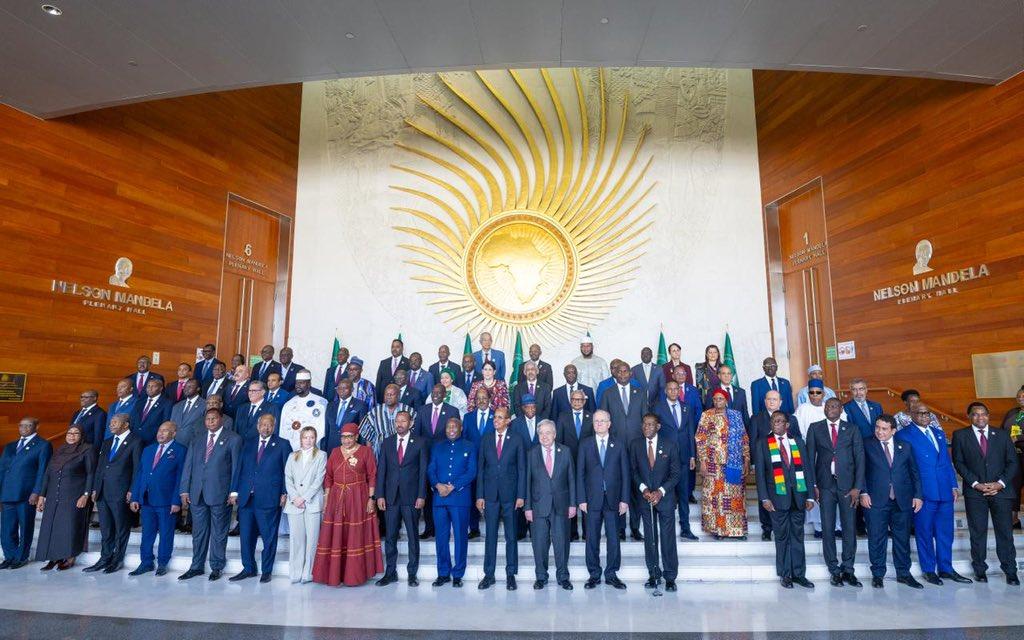
Introduction
For decades, the dream of a united Africa has inspired political leaders, policymakers, and citizens across the continent. From the formation of the Organization of African Unity (OAU) to the establishment of the African Union (AU), Africa has consistently pursued greater cooperation and integration. Yet, despite significant progress, many challenges continue to hinder the realization of true continental unity.
In the 21st century, achieving meaningful integration will depend largely on the quality of African leadership. Visionary, collaborative, and forward-thinking leaders have the power to transform Africa’s aspirations into reality by fostering unity, strengthening institutions, and promoting collective prosperity.
Why Continental Unity Matters
A united Africa offers enormous opportunities for economic growth, political stability, and global influence. As individual nations, many African countries face limitations in negotiating power, market size, and resource mobilization. However, when acting collectively, the continent becomes a significant force on the global stage.
Continental unity can help Africa:
- Increase intra-African trade.
- Strengthen regional security.
- Enhance political cooperation.
- Promote sustainable development.
- Attract greater investment.
- Amplify Africa’s voice in international affairs.
The success of initiatives such as the African Continental Free Trade Area (AfCFTA) demonstrates the potential benefits of deeper integration.
The Need for Visionary and Collaborative Leadership
One of the greatest requirements for continental unity is leadership that looks beyond national borders. African leaders must embrace a broader vision that prioritizes collective progress over narrow national interests.
Visionary leadership involves:
Long-Term Thinking
Effective leaders understand that some decisions may involve short-term sacrifices but generate long-term benefits for the continent. Investments in regional infrastructure, trade agreements, and policy harmonization often require patience and commitment.
Building Trust Among Nations
Trust is essential for cooperation. Leaders who foster transparency, diplomacy, and mutual respect can strengthen relationships among African countries and reduce tensions that hinder integration.
Encouraging Shared Responsibility
Continental unity cannot be achieved by a few nations alone. Strong leaders encourage all member states to contribute to common goals and participate actively in regional initiatives.
Strengthening Continental Institutions
Strong institutions are the foundation of sustainable unity. Leadership is not only about individuals; it is also about building organizations capable of delivering long-term results.
Institutions such as the African Union and regional economic communities play critical roles in promoting cooperation and integration.
African leaders must:
- Provide adequate funding.
- Support institutional reforms.
- Strengthen governance systems.
- Ensure accountability and transparency.
- Empower institutions to implement continental policies effectively.
Without strong institutions, even the most ambitious integration plans may struggle to succeed.
Leading Through Regional Cooperation
One of the most effective ways leaders can promote continental unity is by demonstrating success at the regional level.
Regional blocs across Africa have shown that cooperation can produce tangible benefits in trade, security, and development. Successful regional initiatives create confidence and encourage broader continental collaboration.
Examples of effective regional cooperation include:
- Cross-border infrastructure projects.
- Joint security operations.
- Regional trade agreements.
- Educational and cultural exchange programs.
When citizens experience the benefits of cooperation firsthand, support for wider continental integration naturally grows.
The Role of Emerging Leaders
The future of African unity will not be shaped solely by current heads of state. Young leaders, entrepreneurs, innovators, academics, and civil society organizations also have important roles to play.
Africa’s youthful population presents a unique opportunity to build a new generation of leaders who embrace continental thinking from an early age.
Emerging leaders can contribute by:
- Promoting innovation and entrepreneurship.
- Supporting regional business partnerships.
- Encouraging cross-cultural understanding.
- Using technology to connect communities.
- Advocating for inclusive governance.
Their contributions can help create stronger people-to-people connections across borders.
Challenges Leaders Must Overcome
While the vision of continental unity is inspiring, significant obstacles remain.
Political Differences
Countries often have different political systems, priorities, and governance structures that can complicate cooperation.
Economic Disparities
Differences in economic development levels may create concerns about unequal benefits from integration efforts.
Resource Constraints
Many regional initiatives require substantial financial and institutional resources to succeed.
National Interests
Leaders sometimes face domestic pressures that make continental commitments difficult to prioritize.
Addressing these challenges requires courage, compromise, and strategic leadership.
The Path Forward
To accelerate continental unity, African leaders should focus on:
Investing in Regional Infrastructure
Roads, railways, energy systems, and digital networks can strengthen economic integration and connectivity.
Supporting Economic Integration
Implementing agreements such as AfCFTA can unlock new opportunities for businesses and citizens.
Promoting Good Governance
Transparent and accountable leadership builds trust among nations and encourages cooperation.
Empowering Young People
Youth engagement is critical for sustaining long-term integration efforts.
Strengthening Pan-African Identity
Education, cultural exchanges, and regional collaboration can help foster a stronger sense of shared African identity.
Conclusion
African leadership in the 21st century must rise to the challenge of transforming the dream of continental unity into a practical reality. This requires vision, courage, collaboration, and a commitment to collective progress.
By strengthening institutions, promoting regional cooperation, and empowering future generations, African leaders can help build a continent that is more united, prosperous, and influential on the global stage.
The future of Africa will be shaped not only by its resources or population but by the quality of leadership guiding its journey toward greater unity and shared prosperity.
