
Why African Youth Deserve to Earn from Their Online Activity
June 24, 2026The Internet of Value and Africa’s Economic Future
June 25, 2026By Ibrahim I M | truevoiceafrica.com
Introduction
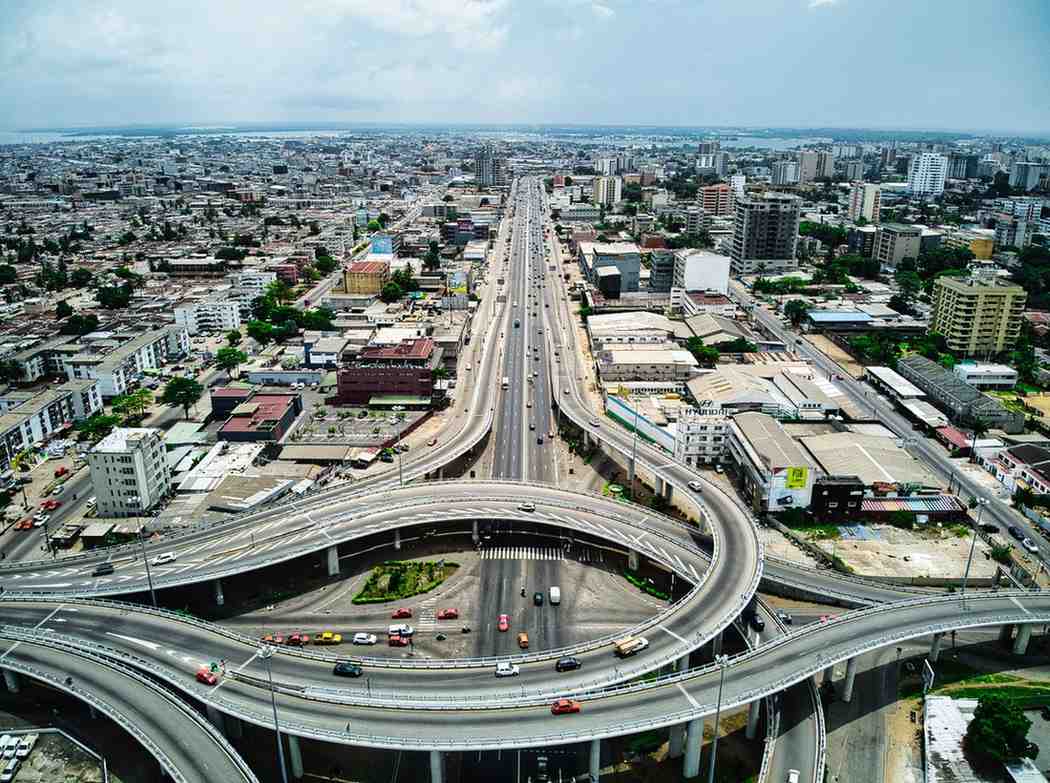
Infrastructure is the foundation upon which economic growth, trade, and regional integration are built.
Across Africa, roads, railways, ports, energy systems, and digital networks play a critical role in connecting countries, facilitating commerce, and improving the quality of life for millions of people.
However, inadequate infrastructure remains one of the greatest obstacles to deeper African integration. High transport costs, limited connectivity, unreliable energy supply, and fragmented logistics systems continue to hinder trade and economic cooperation across the continent.
If Africa is to fully realize the vision of continental integration under initiatives such as the African Continental Free Trade Area (AfCFTA), accelerating infrastructure development must remain a strategic priority.
Investing in modern, sustainable, and interconnected infrastructure can unlock enormous economic opportunities and strengthen Africa’s position in the global economy.
Reducing the Cost of Trade and Doing Business
Poor infrastructure significantly increases the cost of doing business across Africa.
Many businesses face challenges such as:
- Poor road networks.
- Congested ports.
- Inefficient border procedures.
- High transportation costs.
- Unreliable electricity supply.
These challenges raise transaction costs, reduce competitiveness, and discourage investment.
For example, transporting goods between African countries can often be more expensive and time-consuming than trading with markets outside the continent.
Improved infrastructure can dramatically reduce these costs.
Efficient transport corridors, modern ports, reliable energy systems, and improved logistics networks can facilitate smoother movement of goods and services while making intra-African trade more profitable and attractive.
Lower trade costs ultimately benefit businesses, consumers, and national economies.
Connecting Markets and People Across the Continent
Infrastructure does more than move goods.
It connects people, communities, businesses, and economies.
Physical infrastructure such as highways, railways, airports, and seaports enables producers to access larger markets while connecting consumers to a wider range of products and services.
Digital infrastructure is equally important.
Broadband connectivity, telecommunications networks, and digital platforms enable businesses and individuals to participate in the digital economy regardless of geographic location.
Regional infrastructure corridors and cross-border projects can help reduce Africa’s historical fragmentation by creating stronger economic linkages among countries.
Improved connectivity promotes:
- Cross-border trade.
- Tourism growth.
- Labor mobility.
- Knowledge exchange.
- Regional cooperation.
- Economic inclusion.
As connectivity improves, Africa moves closer to achieving meaningful regional integration.
Enabling Industrialization and Regional Value Chains
Industrialization remains central to Africa’s long-term development ambitions.
However, industrial growth cannot occur without adequate infrastructure.
Reliable electricity, efficient transport systems, logistics services, and digital connectivity are essential for competitive manufacturing and business operations.
Modern infrastructure enables businesses to:
- Lower production costs.
- Improve productivity.
- Access regional markets.
- Participate in global value chains.
- Expand manufacturing capacity.
In addition, strong infrastructure supports the development of regional value chains, where countries specialize in different stages of production while benefiting from continental trade opportunities.
Without significant infrastructure investment, Africa’s industrialization goals may remain difficult to achieve.
Supporting the African Continental Free Trade Area (AfCFTA)
The success of the African Continental Free Trade Area depends heavily on infrastructure.
While trade agreements reduce tariffs and regulatory barriers, physical and digital infrastructure provide the practical means for goods, services, and people to move efficiently across borders.
Without adequate infrastructure:
- Trade costs remain high.
- Supply chains become inefficient.
- Market access remains limited.
- Economic integration slows.
Investments in cross-border transport corridors, energy infrastructure, digital networks, and logistics systems will be critical for maximizing the benefits of AfCFTA.
Infrastructure therefore serves as the backbone of continental economic integration.
Promoting Inclusive and Sustainable Development
Infrastructure development also contributes to broader social and developmental goals.
Quality infrastructure can improve:
- Access to education.
- Healthcare delivery.
- Financial inclusion.
- Employment opportunities.
- Rural development.
- Digital inclusion.
Furthermore, Africa has an opportunity to invest in sustainable and climate-resilient infrastructure that supports long-term environmental and economic sustainability.
Green energy projects, smart cities, sustainable transport systems, and digital innovation can help ensure that infrastructure development contributes to inclusive growth.
By prioritizing sustainability, Africa can build infrastructure systems capable of supporting future generations.
Conclusion
Infrastructure development is not merely a technical challenge—it is a strategic imperative for African integration and development.
By investing in quality, sustainable, and interconnected infrastructure, Africa can reduce fragmentation, lower trade costs, and strengthen economic cooperation across the continent.
Modern infrastructure will provide the physical and digital foundation needed to support trade, industrialization, investment, and inclusive growth.
As Africa pursues deeper regional integration through initiatives such as AfCFTA, infrastructure investment will remain essential for building a more connected, competitive, and prosperous continent.
The future of African integration will depend not only on policies and agreements but also on the roads, railways, ports, energy systems, and digital networks that connect the continent together.
