
The Importance of Good Governance in Africa’s Economic Transformation
June 20, 2026Why the SINNTS App Could Become Africa’s Next Big Digital Movement
June 20, 2026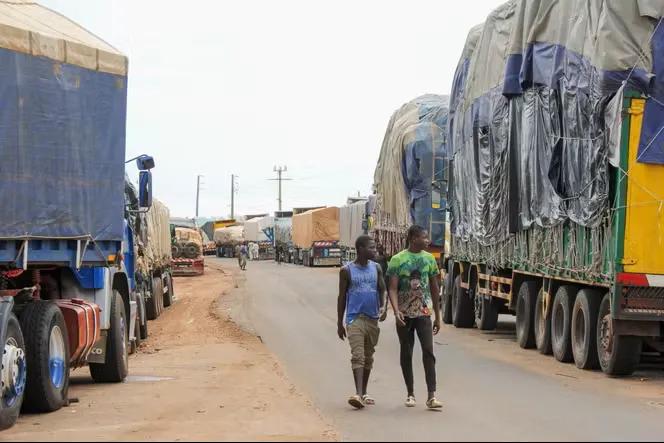
By Isah Ibrahim Makusidi | truevoiceafrica.com
Introduction
For decades, African leaders and policymakers have emphasized the importance of regional integration and economic cooperation. Yet, despite these efforts, intra-African trade remains significantly lower than trade levels within other regions such as Europe, Asia, and North America. Many African countries continue to trade more with external partners than with their neighboring states.
Strengthening intra-African trade is crucial for unlocking the continent’s economic potential. Increased trade among African nations can stimulate industrialization, create jobs, enhance economic resilience, and promote sustainable development. As Africa seeks to build a more integrated and prosperous future, expanding trade within the continent must remain a top priority.
Understanding Intra-African Trade
Intra-African trade refers to the exchange of goods and services among African countries. It encompasses trade within regional economic communities as well as broader continental trade under initiatives such as the African Continental Free Trade Area (AfCFTA).
Greater intra-African trade offers opportunities to:
- Expand market access for businesses.
- Encourage economic diversification.
- Promote industrial development.
- Strengthen regional cooperation.
- Increase competitiveness in global markets.
By trading more with one another, African countries can reduce economic fragmentation and create stronger regional markets.
Reducing Dependence on External Markets
Many African economies rely heavily on exports to markets outside the continent. While international trade remains important, excessive dependence on external markets exposes countries to global economic shocks and changing international conditions.
Vulnerability to Global Shocks
Events such as global financial crises, commodity price fluctuations, pandemics, and geopolitical tensions can significantly affect African economies.
Heavy reliance on external demand can lead to:
- Reduced export earnings.
- Economic instability.
- Currency volatility.
- Job losses.
Strengthening intra-African trade can help reduce these vulnerabilities by creating alternative markets within the continent.
Enhancing Economic Resilience
A diversified trade structure enables countries to better withstand external shocks. When African countries trade more with one another, they become less dependent on distant markets and more capable of sustaining economic growth during periods of global uncertainty.
Supporting Industrialization and Value Addition
One of the most important benefits of increased intra-African trade is its potential to accelerate industrialization.
Historically, many African economies have exported raw materials while importing finished products. This pattern limits value creation and employment opportunities.
Moving Up the Value Chain
Intra-African trade creates demand for processed and manufactured goods, encouraging countries to invest in local industries.
Examples include:
- Agricultural processing.
- Textile and garment manufacturing.
- Pharmaceutical production.
- Automobile assembly.
- Technology manufacturing.
By processing raw materials locally, African countries can capture greater economic value and create higher-paying jobs.
Creating Employment Opportunities
Industrial development generates employment across multiple sectors, including manufacturing, logistics, transportation, and services.
As industries expand, they can absorb growing numbers of young people entering the labor market each year.
Building Stronger Regional and Continental Value Chains
Regional and continental value chains involve different countries contributing to various stages of production.
For example, raw materials produced in one country may be processed in another and assembled into finished products elsewhere within Africa.
Encouraging Economic Interdependence
Stronger value chains promote economic cooperation and interdependence among African nations.
Benefits include:
- Increased productivity.
- Improved competitiveness.
- Greater specialization.
- Enhanced knowledge transfer.
- Reduced production costs.
These advantages can help African businesses compete more effectively in international markets.
Strengthening Collective Bargaining Power
A more integrated African market also strengthens the continent’s bargaining position in global trade negotiations.
By acting collectively, African countries can advocate more effectively for favorable trade arrangements and protect shared economic interests.
The Role of AfCFTA in Promoting Trade
The African Continental Free Trade Area represents a historic opportunity to boost intra-African trade.
By reducing tariffs and addressing non-tariff barriers, AfCFTA aims to create a single continental market for goods and services.
Key expected benefits include:
- Increased cross-border trade.
- Expanded business opportunities.
- Greater investment flows.
- Enhanced industrial development.
- Improved regional integration.
Successful implementation of AfCFTA can significantly accelerate intra-African trade economic growth.
Challenges to Intra-African Trade
Despite its enormous potential, several challenges continue to limit trade within Africa.
Infrastructure Deficits
Poor transportation networks, inadequate energy supply, and limited logistics infrastructure increase the cost of doing business.
Non-Tariff Barriers
Administrative delays, complex customs procedures, and inconsistent regulations often hinder cross-border trade.
Limited Product Diversification
Many countries export similar primary commodities, reducing opportunities for trade diversification.
Financing Constraints
Limited access to trade finance can restrict the ability of businesses, particularly small and medium-sized enterprises, to participate in regional markets.
Addressing these challenges will require coordinated efforts from governments, regional institutions, and the private sector.
The Path Forward
To strengthen intra-African trade, African countries should focus on:
Investing in Infrastructure
Improved roads, railways, ports, and digital infrastructure will facilitate trade and reduce transportation costs.
Harmonizing Regulations
Aligning standards, customs procedures, and trade regulations can simplify cross-border business activities.
Supporting Industrial Development
Investment in manufacturing and value addition will increase the range of tradable products.
Empowering Small Businesses
Providing access to finance, technology, and market information can help small enterprises participate more actively in regional trade.
Conclusion
Strengthening intra-African trade is not merely an economic aspiration—it is a strategic necessity for Africa’s long-term development. Increased trade within the continent can reduce dependence on external markets, support industrialization, create jobs, and strengthen economic resilience.
As Africa continues its journey toward deeper integration, expanding intra-African trade economic growth will be essential for building a more prosperous, self-reliant, and globally competitive continent.
The future of Africa’s economic transformation depends significantly on the continent’s ability to trade more with itself and harness the full potential of its vast internal market.
