
How Africa Can Build a More Resilient and Self-Reliant Economy
June 28, 2026Why Africa Must Invest in Quality Education for Continental Progress
June 29, 2026By Asiru MA | truevoiceafrica.com
Introduction
Africa is the youngest continent in the world.
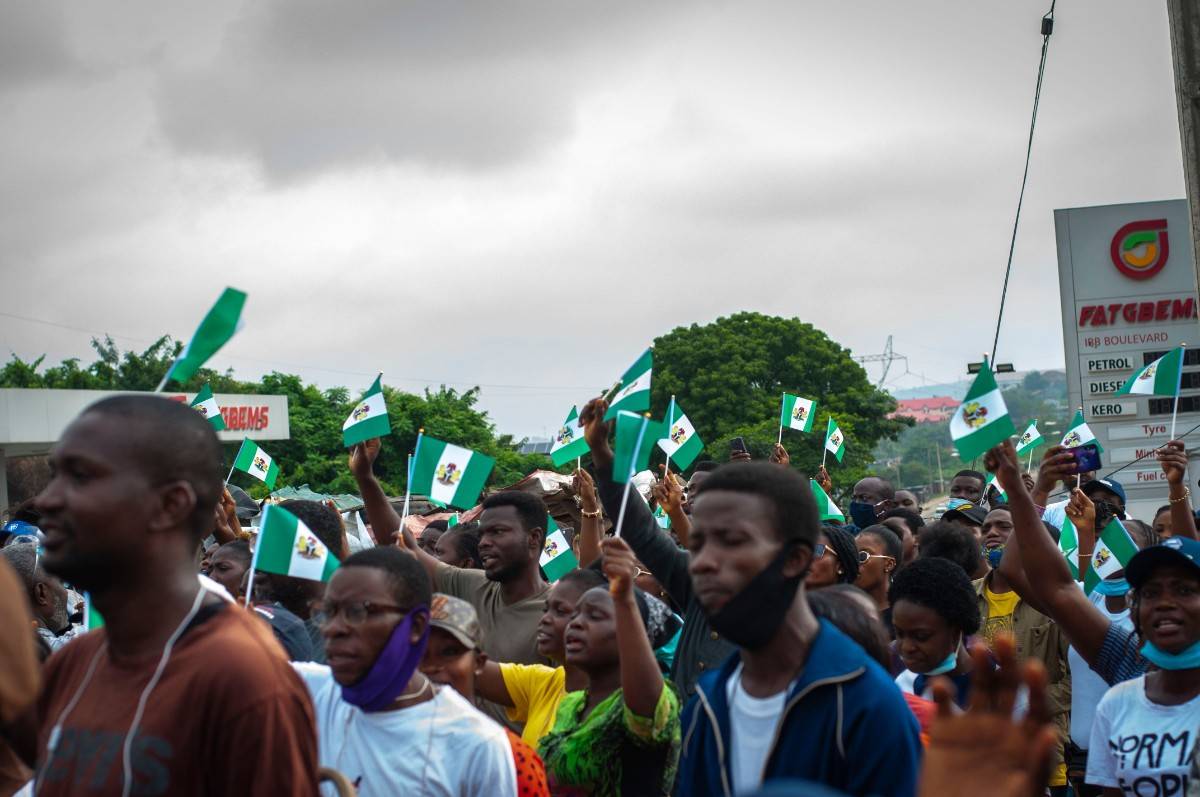
With more than 60 percent of its population under the age of 25, the continent possesses an extraordinary demographic advantage. This youthful population represents not only Africa’s future workforce and innovation engine but also an increasingly influential political force.
For decades, political leadership and governance across much of Africa have largely been dominated by older generations. However, this dynamic is gradually changing. Across the continent, young Africans are becoming more politically aware, socially engaged, and determined to shape the future of their societies.
From civic activism and social movements to electoral participation and public advocacy, African youth are increasingly demanding accountability, transparency, and inclusive governance. Through digital technologies, grassroots organizing, and policy engagement, they are challenging traditional political structures and redefining the relationship between citizens and the state.
The growing influence of African youth in politics and governance is emerging as one of the most significant developments shaping the continent’s democratic future.
Africa’s Youth Bulge: A Demographic and Political Reality
Africa’s youthful population is one of its greatest assets.
According to demographic projections, the continent will continue to experience significant population growth in the coming decades, with young people constituting a substantial share of this expansion.
This demographic reality has profound implications for politics and governance.
Young people are increasingly aware that decisions made today on issues such as education, employment, healthcare, climate change, and economic development will directly affect their futures.
As a result, many are refusing to remain passive observers in political processes.
Instead, they are becoming active participants and demanding greater representation in decision-making institutions.
Driving Political Change and Accountability
Across Africa, young people have played important roles in advancing democratic reforms and promoting good governance.
Through protests, advocacy campaigns, community organizing, and electoral participation, youth movements have influenced political developments in numerous countries.
Young Africans are increasingly using their voices to advocate for:
- Greater government accountability.
- Electoral transparency.
- Anti-corruption reforms.
- Human rights protection.
- Inclusive governance.
- Social justice.
- Better public service delivery.
Digital technologies have amplified these efforts.
Social media platforms, online campaigns, and digital advocacy tools have enabled young citizens to mobilize rapidly, raise awareness, and engage broader audiences on governance issues.
This growing civic participation is reshaping political dynamics across the continent.
The Role of Digital Technology in Youth Political Engagement
Technology has transformed how young Africans participate in politics.
Unlike previous generations, today’s youth have access to digital tools that allow them to engage directly with political processes, share information, and organize collective action.
Digital platforms have enabled young people to:
- Monitor elections.
- Mobilize civic campaigns.
- Engage elected representatives.
- Raise awareness about public issues.
- Promote policy debates.
- Advocate for social change.
The expansion of internet access and smartphone usage has significantly lowered barriers to political participation.
As digital connectivity continues to improve, youth influence in governance is likely to expand further.
However, ensuring responsible digital engagement and combating misinformation remain important challenges.
Bringing Fresh Ideas and Innovation to Governance
One of the greatest strengths young leaders bring to governance is innovation.
Young Africans often possess perspectives shaped by globalization, digital transformation, and rapidly changing social realities.
As a result, they frequently prioritize issues that are increasingly central to Africa’s future, including:
Technology and Digital Transformation
Young leaders often advocate for policies that promote innovation, digital inclusion, and technology-driven economic growth.
Climate Change and Environmental Sustainability
Climate change disproportionately affects younger generations.
Many young Africans are therefore leading advocacy efforts around environmental protection, renewable energy, and sustainable development.
Education and Skills Development
Youth leaders often emphasize reforms that improve education quality, strengthen skills development, and prepare young people for future labor markets.
Employment and Entrepreneurship
With youth unemployment remaining a major challenge across Africa, young political actors frequently advocate for policies that support entrepreneurship, job creation, and economic inclusion.
These priorities can help modernize public institutions and ensure that governance systems remain responsive to emerging realities.
Why Youth Representation Matters
Inclusive governance requires that all segments of society have opportunities to participate in decision-making.
Given Africa’s demographic structure, meaningful youth representation is essential.
When young people participate in governance:
- Policies become more responsive to youth needs.
- Public institutions gain fresh perspectives.
- Democratic legitimacy is strengthened.
- Civic trust can increase.
- Innovation in policymaking is encouraged.
Greater youth participation also helps cultivate future generations of responsible and experienced leaders.
Creating Pathways for Youth Political Participation
Despite growing activism, many young Africans continue to face barriers to meaningful political participation.
These barriers include:
- Limited access to political financing.
- High costs of contesting elections.
- Age restrictions for public office.
- Weak internal party democracy.
- Limited mentorship opportunities.
- Social and institutional barriers.
Addressing these challenges requires deliberate reforms.
Lowering Barriers to Political Entry
Governments and political institutions should review legal and structural barriers that limit youth participation in politics.
Reducing excessive costs and promoting inclusive electoral systems can encourage greater youth involvement.
Supporting Youth Leadership Development
Leadership training, mentorship programs, and civic education initiatives can equip young people with the skills necessary to participate effectively in governance.
Strengthening Civic Education
Civic education helps young citizens understand democratic processes, constitutional rights, and the responsibilities associated with political participation.
Well-informed citizens are better positioned to contribute constructively to governance.
Creating Inclusive Political Spaces
Political parties, civil society organizations, and public institutions must create environments where young voices are genuinely heard and valued.
Meaningful inclusion goes beyond symbolic representation.
It requires active participation in decision-making processes.
Challenges Facing Youth Political Engagement
While youth participation offers significant opportunities, several challenges remain.
These include:
- Political polarization.
- Youth disillusionment with institutions.
- Limited economic opportunities.
- Political violence in some contexts.
- Misinformation and disinformation.
- Exclusion from formal political structures.
Addressing these challenges will require collaboration among governments, educational institutions, civil society organizations, and youth movements.
Looking Ahead
Africa’s future will largely be shaped by its young people.
As demographic trends continue, youth influence in politics and governance is likely to increase significantly.
The key question is not whether young Africans will shape the continent’s future, but how effectively institutions can harness their energy, creativity, and aspirations.
Inclusive governance systems that embrace youth participation will be better positioned to address complex social, economic, and political challenges.
Conclusion
The growing influence of African youth in politics and governance is a positive and necessary development for the continent.
Young people are bringing fresh ideas, innovation, energy, and renewed demands for accountability and transparency.
When meaningfully included in decision-making processes, youth can help strengthen democratic institutions, improve governance outcomes, and drive sustainable development.
Supporting youth political participation should therefore remain a strategic priority for governments, political parties, civil society organizations, and development partners across Africa.
The future of African governance will depend significantly on how effectively the continent empowers its young citizens to lead, participate, and contribute.
