
The Growing Influence of African Youth in Politics and Governance
June 28, 2026The Impact of Climate Change on Africa’s Development Agenda
June 29, 2026By Asiru MA | truevoiceafrica.com
Introduction
Education has long been recognized as one of the most powerful drivers of social and economic development. Across the world, countries that have achieved sustained economic growth and improved living standards have done so largely by investing in the education and skills of their people.
For Africa, investing in quality education for continental progress is not merely a social obligation—it is a strategic necessity.
As the continent seeks to accelerate industrialization, strengthen innovation, reduce poverty, and compete in an increasingly knowledge-driven global economy, education will play a decisive role in determining Africa’s future.
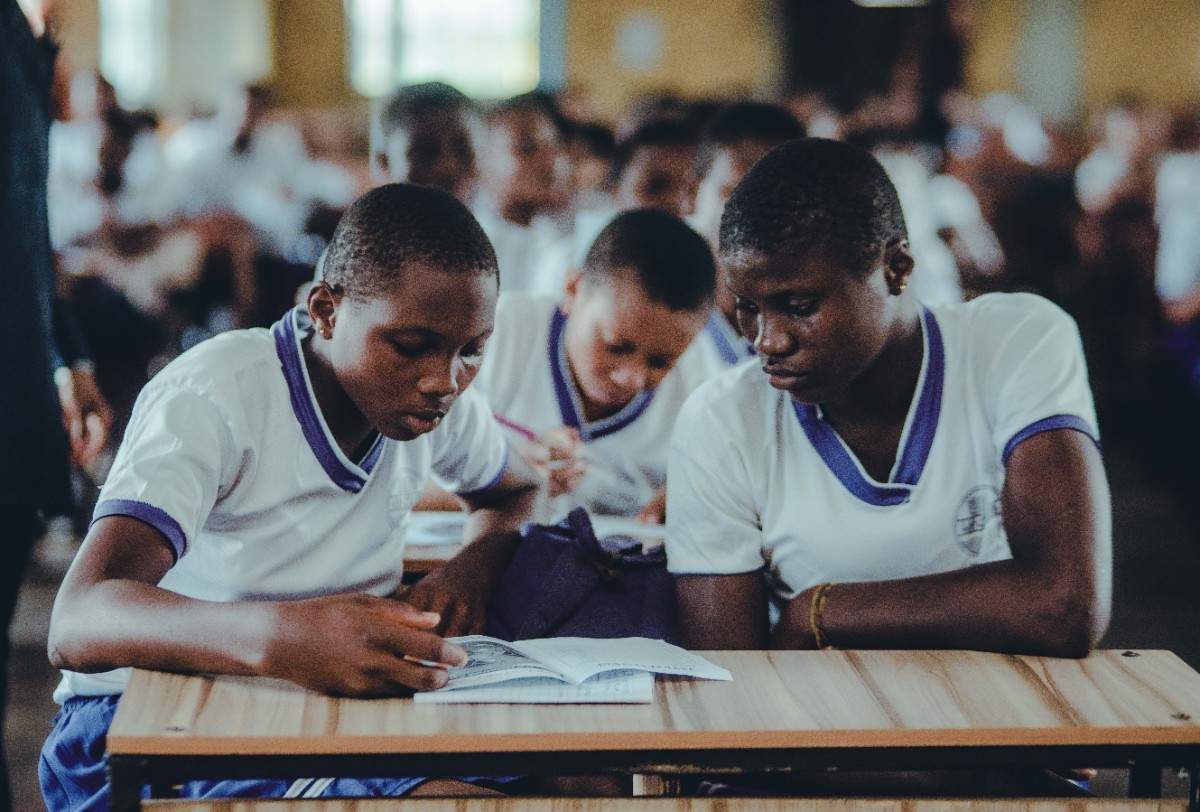
Africa is home to the world’s youngest population. This demographic advantage presents enormous opportunities. However, without quality education that equips young people with relevant skills, knowledge, and competencies, the continent risks missing a historic opportunity for transformation.
To unlock Africa’s full potential, governments, policymakers, private sector actors, and development partners must prioritize investments in education systems that deliver meaningful learning outcomes and prepare citizens for the demands of the 21st century.
Why Education Matters for Africa’s Development
Education is more than classroom instruction.
It is the foundation upon which societies build human capital, strengthen institutions, foster innovation, and promote inclusive economic growth.
Quality education contributes to development in several important ways:
- It improves productivity and economic competitiveness.
- It reduces poverty and inequality.
- It promotes social cohesion and stability.
- It strengthens democratic participation and governance.
- It supports innovation and technological advancement.
- It improves health and social outcomes.
Countries with well-educated populations are generally better positioned to adapt to global economic changes and respond effectively to emerging challenges.
For Africa, education remains central to achieving long-term sustainable development.
Building Human Capital for Economic Transformation
Human capital—the knowledge, skills, and health possessed by individuals—is one of the most valuable assets any nation can possess.
Africa’s economic transformation depends heavily on the development of its human capital.
As economies diversify and industries become increasingly technology-driven, demand for skilled workers continues to grow.
Quality education equips young people with the competencies needed for:
- Modern employment opportunities.
- Entrepreneurship and business development.
- Scientific research and innovation.
- Industrial production.
- Leadership and governance.
- Digital participation.
Without strong educational foundations, efforts to industrialize economies, attract investment, and create jobs will face significant constraints.
Investing in people is therefore one of the most effective strategies for promoting long-term economic growth.
Expanding Access Is Not Enough
Over the past two decades, many African countries have made significant progress in expanding access to education.
Primary school enrollment rates have improved considerably, and millions more children now attend school than in previous generations.
While these achievements deserve recognition, access alone is not sufficient.
The central challenge facing many education systems today is quality.
Across parts of the continent, many students complete basic education without acquiring essential literacy and numeracy skills.
This phenomenon, often referred to as a learning crisis, has serious implications for future productivity and economic competitiveness.
Education systems must therefore move beyond measuring success solely by enrollment numbers and focus more strongly on learning outcomes.
Addressing Learning Outcomes and Relevance
Quality education means ensuring that learners acquire the knowledge, skills, values, and competencies necessary to thrive in modern societies.
Several areas require particular attention.
Strengthening Foundational Skills
Literacy and numeracy form the basis for all future learning.
Children who fail to master foundational skills during their early years often struggle throughout their educational journey.
Improving foundational learning should remain a top priority.
Enhancing Teacher Quality
Teachers are at the heart of effective education systems.
Investing in teacher recruitment, training, professional development, and motivation is essential for improving learning outcomes.
Well-trained teachers are better equipped to deliver high-quality instruction and support student success.
Modernizing Curricula
Education systems must evolve to meet changing economic realities.
Curricula should be regularly updated to reflect labor market needs, technological developments, and emerging global challenges.
Students need both academic knowledge and practical competencies relevant to contemporary workplaces.
Aligning Education With Labor Market Needs
One of the major concerns across many African countries is the mismatch between education outcomes and labor market demands.
Employers frequently report shortages of workers with the necessary technical and professional skills.
At the same time, many graduates struggle to secure employment.
Bridging this gap requires stronger alignment between education systems and economic priorities.
Key areas include:
- Technical and vocational education and training (TVET).
- Entrepreneurship education.
- Digital skills development.
- Industry partnerships.
- Career guidance and counseling.
Preparing young people for future jobs requires close collaboration among governments, educational institutions, and the private sector.
Supporting Innovation and Technological Advancement
The global economy is increasingly driven by knowledge, innovation, and technology.
For Africa to compete successfully in this environment, it must strengthen its capacity for scientific and technological advancement.
Quality education plays a critical role in this process.
Particular emphasis should be placed on strengthening education in:
Science, Technology, Engineering, and Mathematics (STEM)
STEM disciplines are essential for innovation, industrialization, and technological progress.
Expanding access to quality STEM education can help build the workforce needed for future economic transformation.
Research and Development
Universities and research institutions play vital roles in generating knowledge and developing solutions to local challenges.
Greater investment in research and innovation ecosystems is necessary to strengthen Africa’s competitiveness.
Digital Literacy
As digital technologies become increasingly integrated into everyday life, digital literacy has become an essential skill.
Expanding access to digital learning tools and technology-enabled education can enhance learning outcomes while preparing students for the digital economy.
Education as a Tool for Social Progress
The benefits of quality education extend beyond economics.
Education contributes significantly to broader social development by:
- Promoting gender equality.
- Improving health outcomes.
- Reducing poverty.
- Strengthening civic participation.
- Encouraging social inclusion.
- Promoting peace and stability.
Educated populations are generally better equipped to participate constructively in democratic processes and contribute positively to national development.
In this sense, education is both an economic investment and a social imperative.
Overcoming Challenges in Africa’s Education Sector
Despite progress, significant challenges remain.
These include:
- Inadequate funding.
- Infrastructure deficits.
- Teacher shortages.
- Limited access to educational technology.
- Regional inequalities.
- Conflict and insecurity in some areas.
Addressing these challenges will require sustained political commitment and increased investment.
Governments should view education spending not as a cost, but as a long-term investment in national prosperity.
Looking Ahead
Africa stands at a critical moment in its development journey.
The continent’s youthful population presents an extraordinary opportunity to drive economic transformation and innovation.
However, realizing this demographic dividend depends largely on the quality of education provided to current and future generations.
Countries that invest strategically in education today will be better positioned to compete, innovate, and prosper tomorrow.
Conclusion
Quality education is the cornerstone of Africa’s long-term development and continental progress.
By investing in education systems that deliver strong learning outcomes, relevant skills, and opportunities for lifelong learning, African countries can build the human capital necessary for economic transformation, innovation, and global competitiveness.
Education must remain a top priority in national and continental development agendas.
Africa’s future prosperity will depend not only on its natural resources but, more importantly, on the knowledge, creativity, and capabilities of its people.
