
Why Africa Must Invest in Quality Education for Continental Progress
June 29, 2026The Potential of the Blue Economy for African Nations
June 29, 2026By Asiru MA | TrueVoiceAfrica.com
Introduction
Climate change has emerged as one of the greatest obstacles to Africa’s long-term development. Although the continent contributes less than four percent of global greenhouse gas emissions, it remains among the regions most vulnerable to the devastating effects of a changing climate.
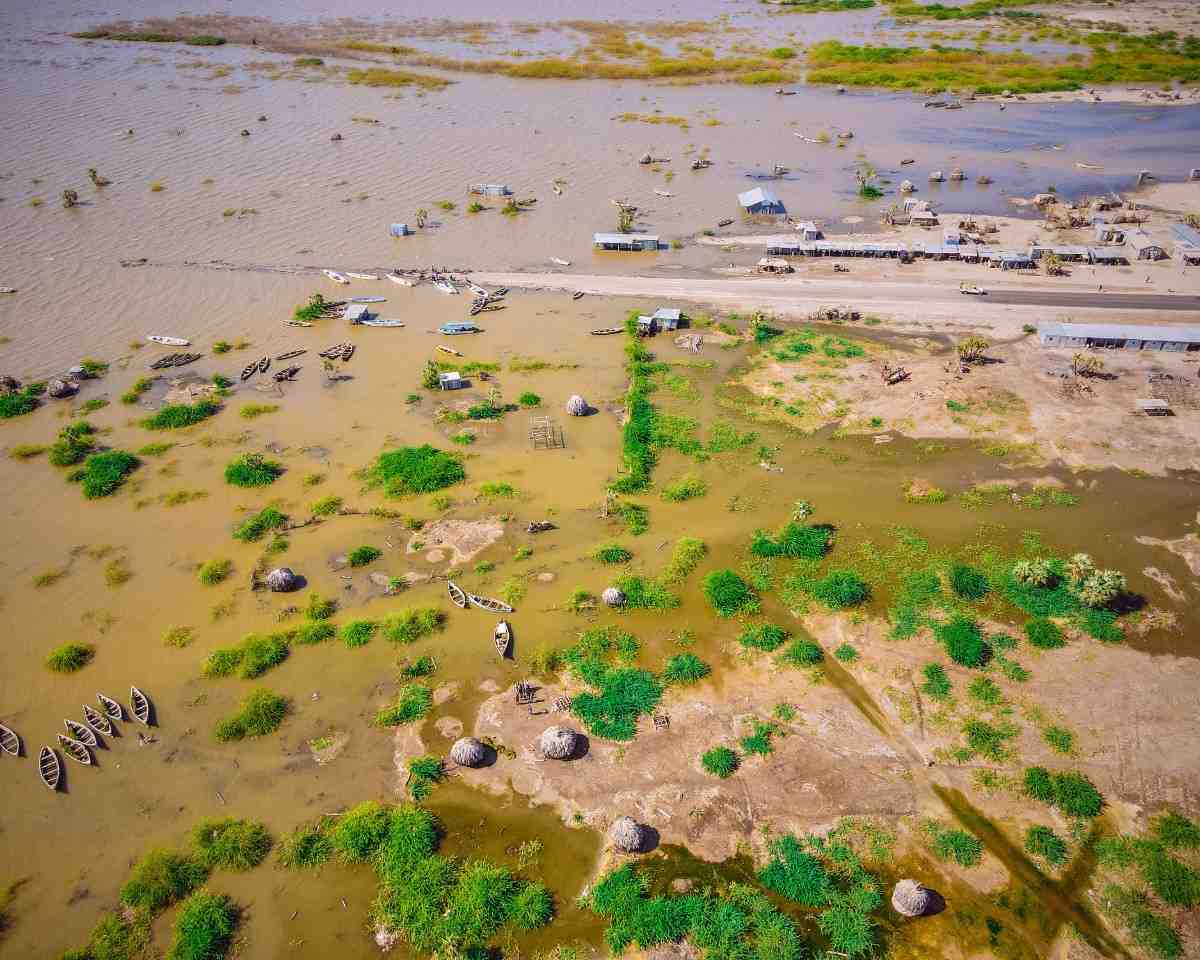
Across Africa, rising temperatures, prolonged droughts, unpredictable rainfall, flooding, desertification, and stronger storms are already affecting millions of people. These environmental changes threaten food production, economic growth, public health, infrastructure, and livelihoods, making climate change not only an environmental concern but also a major development challenge.
As African nations pursue sustainable growth under frameworks such as Agenda 2063 and the Sustainable Development Goals (SDGs), climate resilience must become a central pillar of national and regional development strategies.
Climate Change and Africa’s Agricultural Sector
Agriculture remains the backbone of many African economies, employing more than half of the continent’s workforce and providing livelihoods for millions of rural households.
However, agriculture is also one of the sectors most vulnerable to climate variability.
Changing rainfall patterns have shortened planting seasons, while prolonged droughts reduce crop yields and livestock productivity. In other regions, excessive rainfall and flooding destroy farmland, wash away fertile soil, and disrupt food supply chains.
These challenges directly affect:
- Food production
- Household incomes
- Rural employment
- Agricultural exports
- National economic growth
Smallholder farmers, who produce a significant share of Africa’s food, often have limited access to irrigation, insurance, improved seeds, and modern farming technologies. As climate risks intensify, strengthening agricultural resilience becomes increasingly urgent.
Investing in Climate-Smart Agriculture
African governments and development partners should expand investments in climate-smart agricultural practices, including:
- Drought-resistant crop varieties
- Efficient irrigation systems
- Sustainable land management
- Precision farming technologies
- Agricultural extension services
- Improved weather forecasting for farmers
Climate-smart agriculture can improve productivity while helping communities adapt to changing environmental conditions.
Water Security Under Increasing Pressure
Water resources across Africa are becoming increasingly stressed by climate change.
Some regions experience prolonged droughts that reduce river flows and groundwater supplies, while others face devastating floods that contaminate drinking water and damage sanitation infrastructure.
Water scarcity affects multiple sectors, including:
- Agriculture
- Hydroelectric power generation
- Manufacturing
- Public health
- Urban development
Competition over limited water resources may also increase tensions between communities and across national borders if not managed effectively.
Integrated water resource management, modern irrigation systems, watershed protection, and investment in water storage infrastructure will be essential for ensuring long-term water security.
Climate Change and Public Health
Climate change is creating new public health challenges across Africa.
Rising temperatures and changing weather patterns contribute to the spread of diseases such as malaria, dengue fever, and cholera. Flooding often contaminates water supplies, increasing the risk of waterborne diseases, while heatwaves place vulnerable populations—including children and the elderly—at greater risk.
Climate-related disasters also strain already limited healthcare systems by increasing emergency response needs and disrupting access to essential medical services.
Strengthening healthcare infrastructure and expanding disease surveillance systems are important components of climate adaptation.
Damage to Infrastructure and Economic Development
Extreme weather events increasingly threaten roads, bridges, railways, ports, schools, hospitals, and energy infrastructure throughout Africa.
Floods, storms, and coastal erosion often result in billions of dollars in economic losses, delaying development projects and diverting government resources toward disaster recovery.
Infrastructure designed without considering future climate risks may become increasingly vulnerable over time.
Governments should prioritize climate-resilient infrastructure by:
- Improving building standards
- Expanding flood protection systems
- Strengthening transport networks
- Investing in resilient urban planning
- Developing disaster risk management strategies
Building resilient infrastructure today reduces future economic losses.
Renewable Energy: Turning Challenges into Opportunities
While climate change presents serious risks, it also offers Africa an opportunity to accelerate the transition toward cleaner and more sustainable energy systems.
The continent possesses enormous renewable energy potential, including:
- Solar power
- Wind energy
- Hydropower
- Geothermal energy
- Bioenergy
Expanding renewable energy can improve electricity access, reduce dependence on fossil fuels, create employment opportunities, and support sustainable industrialization.
Green energy investments can simultaneously advance climate goals and economic development.
Building Climate-Resilient Development
Climate resilience should no longer be treated as a separate environmental policy—it must become an integral part of Africa’s broader development agenda.
Governments should incorporate climate considerations into:
- National development plans
- Infrastructure investments
- Agricultural policies
- Urban planning
- Public health strategies
- Disaster preparedness programs
Early warning systems, climate data, scientific research, and regional cooperation will help African countries better prepare for future climate risks.
Partnerships among governments, the private sector, international organizations, researchers, and local communities are equally important for building long-term resilience.
The Role of International Cooperation
Africa cannot address climate change alone.
Developed countries, international financial institutions, and global climate funds have important responsibilities in supporting adaptation and mitigation efforts across the continent.
This support includes:
- Climate financing
- Technology transfer
- Capacity building
- Research collaboration
- Investment in resilient infrastructure
Ensuring that Africa receives adequate climate finance will be critical for achieving sustainable development while adapting to future environmental challenges.
Conclusion
Climate change is no longer a future concern—it is already shaping Africa’s development trajectory.
Its impacts extend far beyond the environment, influencing food security, water availability, healthcare, infrastructure, economic growth, and social stability. Without decisive action, climate change could undermine decades of development progress across the continent.
However, Africa also possesses immense opportunities to lead in renewable energy, climate-smart agriculture, sustainable infrastructure, and green innovation.
By integrating climate resilience into national development strategies, investing in sustainable technologies, and strengthening regional and international cooperation, African countries can transform climate challenges into opportunities for inclusive and sustainable growth.
The future of Africa’s development depends not only on economic progress but also on the continent’s ability to adapt, innovate, and build resilience in the face of a changing climate.
