
How Africa Can Develop Sustainable Tourism Across the Continent
July 12, 2026Why Africa Needs Better Coordination on Security Challenges
July 13, 2026By Sewa | TrueVoiceAfrica.com
Introduction
Sports have long been one of the most powerful forces for bringing people together. Across Africa, football, athletics, basketball, rugby, and other sporting activities transcend barriers of nationality, ethnicity, religion, and language. In stadiums, communities, and homes across the continent, sports create shared moments of joy, pride, and solidarity.
Beyond entertainment, sports play a significant role in social and economic development. They provide opportunities for youth empowerment, job creation, health promotion, and international recognition. Major sporting events also strengthen continental identity by giving Africans a common platform to celebrate their achievements and aspirations.
As Africa continues its journey toward greater integration and sustainable development, sports should be recognized not only as a recreational activity but also as a strategic tool for unity, nation-building, and economic transformation.
Sports as a Unifying Force
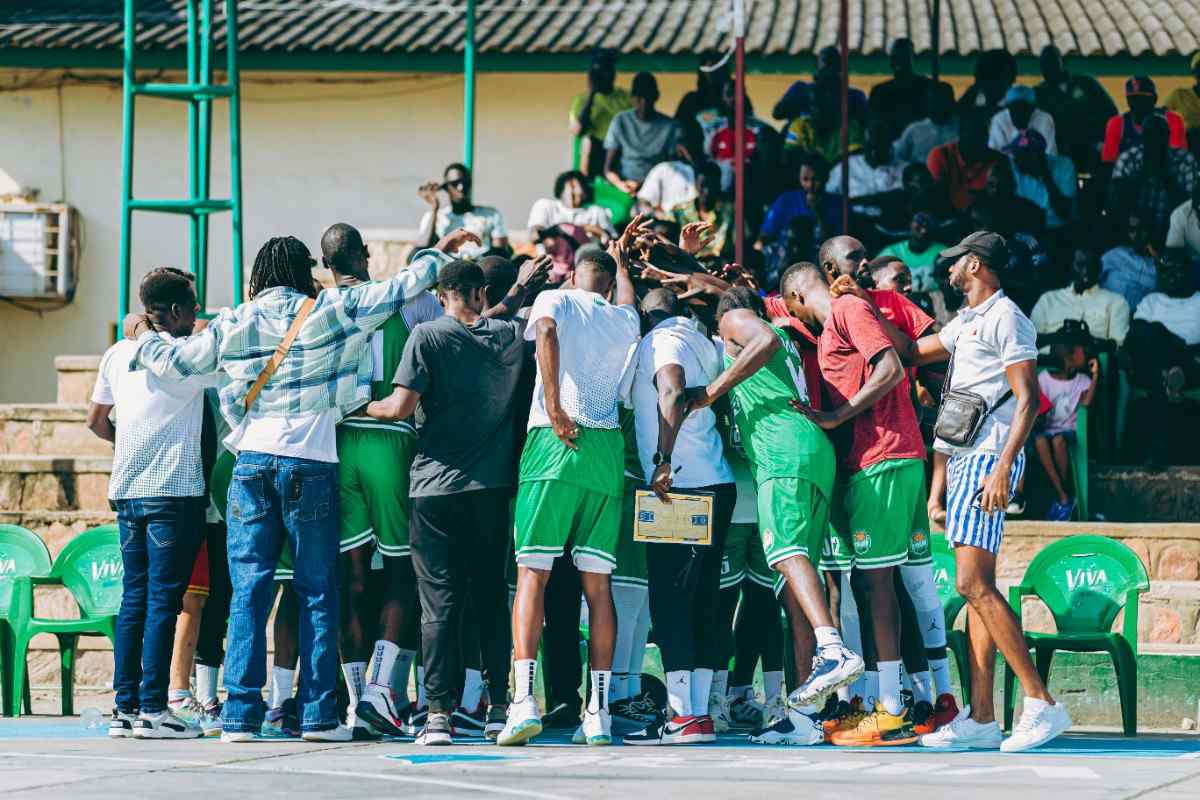
One of the greatest strengths of sports is its ability to unite people from diverse backgrounds. During major tournaments, millions of Africans support their national teams while also celebrating the achievements of athletes from other African countries. This shared enthusiasm helps foster a sense of belonging to a larger African community.
Sporting events create opportunities for cultural exchange, mutual respect, and friendship among nations. They remind Africans that, despite their differences, they share common values of perseverance, teamwork, and excellence.
In this way, sports contribute to the broader vision of Pan-African unity by building people-to-people connections and strengthening continental solidarity.
Building Pan-African Identity and Pride
Major African sporting events such as the Africa Cup of Nations (AFCON), the African Games, and continental athletics championships are more than competitions—they are celebrations of African identity and pride.
When African athletes excel on the global stage, they inspire millions across the continent. Their success demonstrates Africa’s talent, resilience, and potential, challenging negative stereotypes and boosting continental confidence.
Sports heroes often become symbols of national and continental pride, inspiring young Africans to believe in their own abilities and pursue excellence in various fields.
By celebrating African achievements, sports help strengthen a shared sense of identity that supports the goals of regional integration and Pan-Africanism.
Economic Opportunities in the Sports Industry
The sports industry is a major contributor to the global economy, generating billions of dollars through events, broadcasting, sponsorship, merchandising, and tourism. Africa has significant untapped potential to develop its sports economy.
Investing in sports can create employment opportunities in areas such as:
- Coaching and training
- Event management
- Sports marketing and advertising
- Broadcasting and media production
- Sports medicine and physiotherapy
- Stadium management
- Merchandising and retail
- Tourism and hospitality
Developing local sports leagues and hosting international competitions can also attract investment and stimulate economic activity in host cities and countries.
Youth Empowerment Through Sports
Africa has one of the youngest populations in the world, and sports can play a crucial role in empowering young people. Participation in sports helps youth develop important life skills that extend far beyond the playing field.
Sports teach:
- Discipline
- Teamwork
- Leadership
- Resilience
- Time management
- Respect for rules
- Goal setting
For many young Africans, sports also provide a pathway to education, scholarships, professional careers, and international opportunities. Grassroots sports programmes can help identify talent early and provide structured development pathways.
By investing in youth sports, African countries can nurture future leaders while reducing unemployment and social exclusion.
Promoting Health and Well-Being
Regular participation in sports and physical activity is essential for maintaining good health. Sports help reduce the risk of non-communicable diseases such as obesity, diabetes, hypertension, and heart disease, which are increasingly affecting African populations.
Sports also contribute to mental well-being by reducing stress, improving self-esteem, and promoting social interaction. In schools and communities, sports programmes encourage healthy lifestyles and lifelong fitness habits.
Governments should therefore promote sports as part of broader public health strategies aimed at improving the physical and mental health of citizens.
Sports and Social Development
Sports can be a powerful tool for addressing social challenges. In many African communities, sports programmes have been used to promote peace, prevent crime, and encourage social inclusion.
Sports initiatives can help:
- Reduce youth involvement in crime and violence
- Promote gender equality
- Support the inclusion of persons with disabilities
- Encourage conflict resolution
- Build community cohesion
- Provide safe spaces for young people
By bringing people together in a positive and structured environment, sports can strengthen social bonds and contribute to more peaceful and resilient communities.
The Importance of Sports Infrastructure
To fully harness the benefits of sports, Africa must invest in modern and accessible sports infrastructure. Many communities lack adequate facilities for training and competition, limiting opportunities for talent development.
Priority investments should include:
- Community sports centres
- School sports facilities
- Stadiums and arenas
- Athletics tracks
- Basketball and volleyball courts
- Swimming pools
- Sports rehabilitation centres
Accessible infrastructure ensures that sports opportunities are available to people of all ages and backgrounds, not just elite athletes.
Supporting Women in Sports
Women and girls have made remarkable contributions to African sports, yet they often face barriers such as limited funding, inadequate facilities, and unequal opportunities.
Promoting gender equality in sports requires:
- Equal access to training facilities
- Increased funding for women’s sports
- Protection from discrimination and harassment
- Greater media coverage of female athletes
- Leadership opportunities for women in sports administration
Empowering women in sports not only promotes equality but also inspires future generations of female athletes and leaders.
Regional Cooperation Through Sports
Sports provide an excellent platform for regional cooperation among African nations. Joint training programmes, exchange initiatives, and continental competitions can strengthen relationships between countries and promote mutual understanding.
The African Union and regional sports organizations can play a key role in coordinating initiatives that use sports to advance integration, peace, and development across the continent.
Conclusion
Sports are far more than a source of entertainment. They are powerful instruments for unity, development, health promotion, youth empowerment, and economic growth. In Africa, sports have the unique ability to bring people together across borders and create a shared sense of identity and pride.
By investing in sports infrastructure, grassroots programmes, women’s sports, and the broader sports industry, African countries can unlock enormous social and economic benefits. Sports can help create jobs, improve public health, empower young people, and strengthen the bonds that unite the continent.
As Africa continues to pursue regional integration and sustainable development, sports should be embraced as a strategic tool for building stronger societies and a more united continent. The passion and talent that Africans display in sports can become a powerful force for shaping a brighter future for the entire continent.
