
The Role of Sports in Promoting African Unity and Development
July 13, 2026Rethinking Digital Platforms for African Realities
July 13, 2026By Sewa | TrueVoiceAfrica.com
Introduction
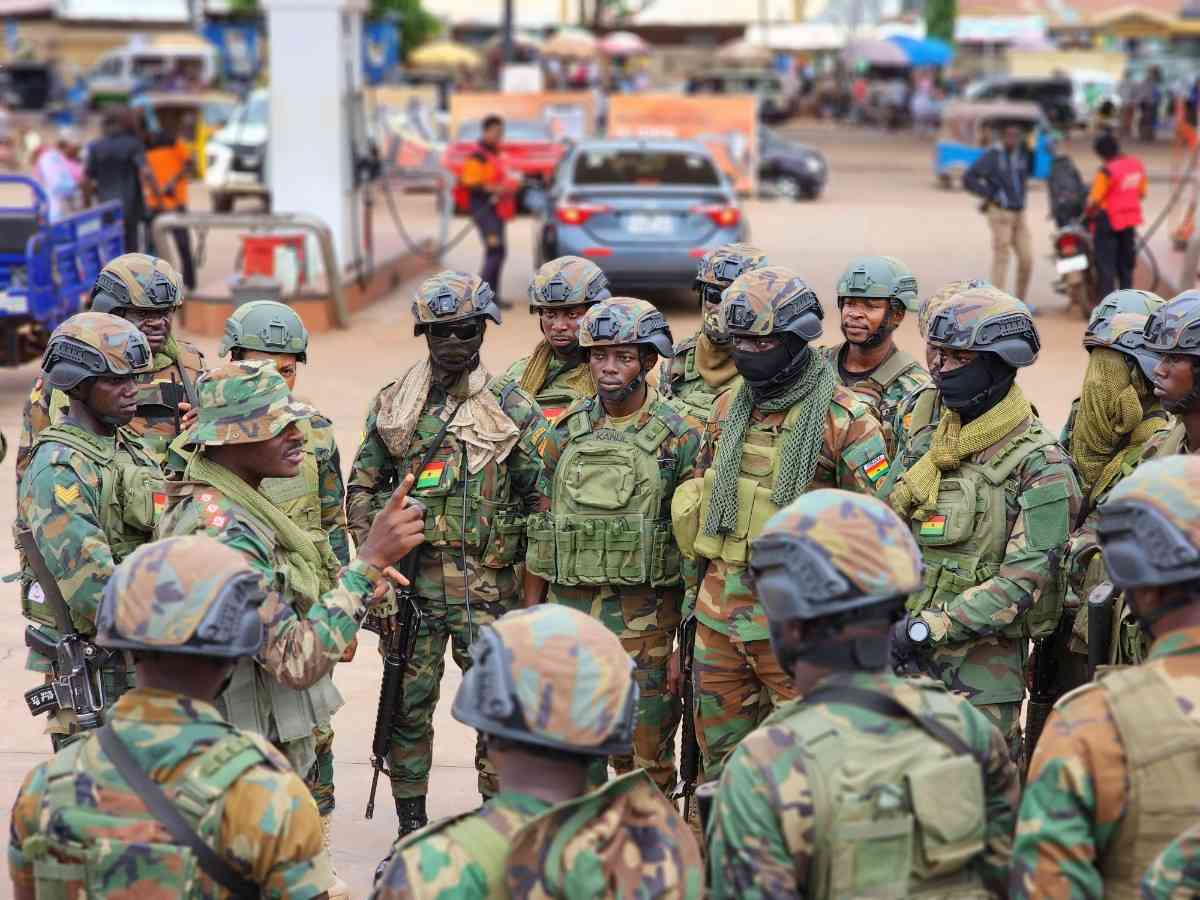
Security remains one of the most pressing challenges facing Africa today. Terrorism, insurgencies, organized crime, cyber threats, political instability, and communal conflicts continue to threaten lives, disrupt economies, and undermine development across the continent. These threats are increasingly interconnected and transnational, meaning that they often extend beyond the borders of a single country.
In the past, many security challenges could be addressed primarily through national responses. However, the nature of modern threats has changed. Armed groups, criminal networks, and extremist organizations frequently operate across multiple countries, exploiting weak borders, limited coordination, and differences in national policies.
For Africa to achieve lasting peace, stability, and sustainable development, stronger coordination among African countries, regional organizations, and the African Union is essential. Security cooperation is no longer optional—it is a strategic necessity for protecting citizens and safeguarding the continent’s future.
The Cross-Border Nature of Modern Security Threats
Many of Africa’s security challenges do not respect national boundaries. Terrorist groups, human traffickers, drug smugglers, arms dealers, and cybercriminals often move across borders with relative ease, taking advantage of gaps in surveillance and enforcement.
Examples of transnational security threats include:
- Terrorism and violent extremism
- Organized crime networks
- Human trafficking
- Drug trafficking
- Illegal arms trade
- Maritime piracy
- Cybercrime
- Cross-border insurgencies
When countries respond to these threats in isolation, criminal and extremist groups can relocate to neighboring territories and continue their operations. This makes coordinated regional action essential.
The Importance of Intelligence Sharing
Intelligence is one of the most powerful tools in preventing and responding to security threats. Timely information about the movements, plans, and activities of criminal and extremist groups can save lives and prevent attacks.
African countries should strengthen intelligence cooperation by:
- Sharing real-time security information
- Establishing joint intelligence centers
- Harmonizing intelligence protocols
- Training intelligence personnel collaboratively
- Building secure communication systems
Effective intelligence sharing requires trust among nations, as well as clear legal frameworks that protect sensitive information while enabling rapid cooperation.
Strengthening Border Management
Africa’s vast and often porous borders present significant security challenges. Weak border management can allow terrorists, traffickers, and illegal goods to move freely between countries.
Improving border security should involve:
- Modern surveillance technology
- Biometric identification systems
- Joint border patrols
- Coordinated customs operations
- Information sharing between border agencies
- Training for border security personnel
At the same time, border management must balance security with the need to facilitate legitimate trade and movement of people under the African Continental Free Trade Area (AfCFTA).
The Role of Regional Security Organizations
Regional Economic Communities (RECs) such as ECOWAS, SADC, EAC, and IGAD have established important security mechanisms to address conflicts and instability within their regions.
These organizations play a crucial role in:
- Conflict mediation
- Peacekeeping operations
- Early warning systems
- Election monitoring
- Counter-terrorism initiatives
- Humanitarian coordination
However, many regional frameworks face challenges related to limited funding, political disagreements, and uneven implementation. Strengthening these institutions is essential for improving Africa’s collective security response.
The African Union Peace and Security Architecture
The African Union (AU) has developed the African Peace and Security Architecture (APSA) to promote peace, prevent conflicts, and respond to crises across the continent.
Key components of APSA include:
- The Peace and Security Council
- The Continental Early Warning System
- The African Standby Force
- The Panel of the Wise
- The Peace Fund
While APSA has made important contributions to conflict prevention and peacekeeping, its effectiveness can be enhanced through greater political commitment, sustainable financing, and improved coordination with regional bodies.
Balancing Sovereignty and Collective Action
National sovereignty is a fundamental principle of international relations, and African countries understandably seek to protect their independence and territorial integrity. However, modern security threats often require collective action that goes beyond national borders.
African nations must find a balance between respecting sovereignty and cooperating on shared security challenges. This can be achieved through:
- Mutual respect for national interests
- Clearly defined cooperation agreements
- Joint decision-making mechanisms
- Shared responsibility for regional security
Collective action does not diminish sovereignty; rather, it strengthens each nation’s ability to protect its citizens from threats that no country can address alone.
Addressing the Root Causes of Insecurity
Military and law enforcement responses are important, but they are not sufficient on their own. Sustainable security requires addressing the underlying causes of conflict and instability.
These root causes include:
- Poverty and unemployment
- Political exclusion
- Weak governance
- Corruption
- Inequality
- Lack of education
- Competition over resources
- Climate-related displacement
By investing in development, education, job creation, and inclusive governance, African countries can reduce the conditions that allow insecurity to flourish.
The Economic Cost of Insecurity
Insecurity has a devastating impact on Africa’s economies. Conflicts and instability discourage investment, disrupt trade, destroy infrastructure, and divert public resources away from development priorities.
The economic consequences include:
- Reduced foreign investment
- Lower tourism revenue
- Disrupted agricultural production
- Increased military spending
- Damage to infrastructure
- Loss of human capital
A stable and secure environment is therefore essential for achieving economic growth, regional integration, and sustainable development.
Building a Coordinated Security Future
To improve security coordination, African countries should prioritize:
- Strengthening regional security institutions
- Increasing funding for peace and security initiatives
- Enhancing intelligence sharing
- Modernizing border management
- Conducting joint military and police training
- Investing in conflict prevention and early warning systems
- Promoting inclusive governance and development
Partnerships with international organizations can also provide technical and financial support, but African-led solutions must remain at the center of the continent’s security strategy.
Conclusion
Africa’s security challenges are increasingly complex, interconnected, and transnational. Terrorism, organized crime, political instability, and other threats cannot be effectively addressed by individual countries acting alone. Stronger coordination among African nations, regional organizations, and the African Union is essential for building lasting peace and stability.
By improving intelligence sharing, strengthening border management, enhancing regional security frameworks, and addressing the root causes of insecurity, Africa can create a more effective collective security system.
A secure Africa is the foundation for a prosperous Africa. Without peace and stability, economic growth, regional integration, and social development will remain difficult to achieve. Investing in coordinated security efforts today will help create the safe and stable environment needed for Africa’s future progress.
