
How Social Media Marketing Can Turn Followers into Paying Customers
June 14, 20265 Content Marketing Mistakes That Are Costing You Sales
June 14, 2026
Introduction
In today’s digital world, people often search for you online before they decide to work with you, hire you, or buy from you. That’s why building a strong personal brand is no longer optional—it’s essential.
A personal brand is the unique image, reputation, and value that people associate with you. It reflects your skills, personality, expertise, and the way you present yourself across digital platforms. Whether you’re a student, entrepreneur, freelancer, job seeker, or business owner, a well-crafted personal brand can open doors to new opportunities.
This guide will walk you through the steps to build a powerful personal brand that helps you stand out and achieve your goals.
What Is a Personal Brand?
A personal brand is how people perceive you based on your online presence, communication, and actions.
It includes:
- Your expertise
- Your values
- Your personality
- Your achievements
- Your content
- Your professional reputation
Think of your personal brand as your digital identity. It tells people who you are and why they should trust you.
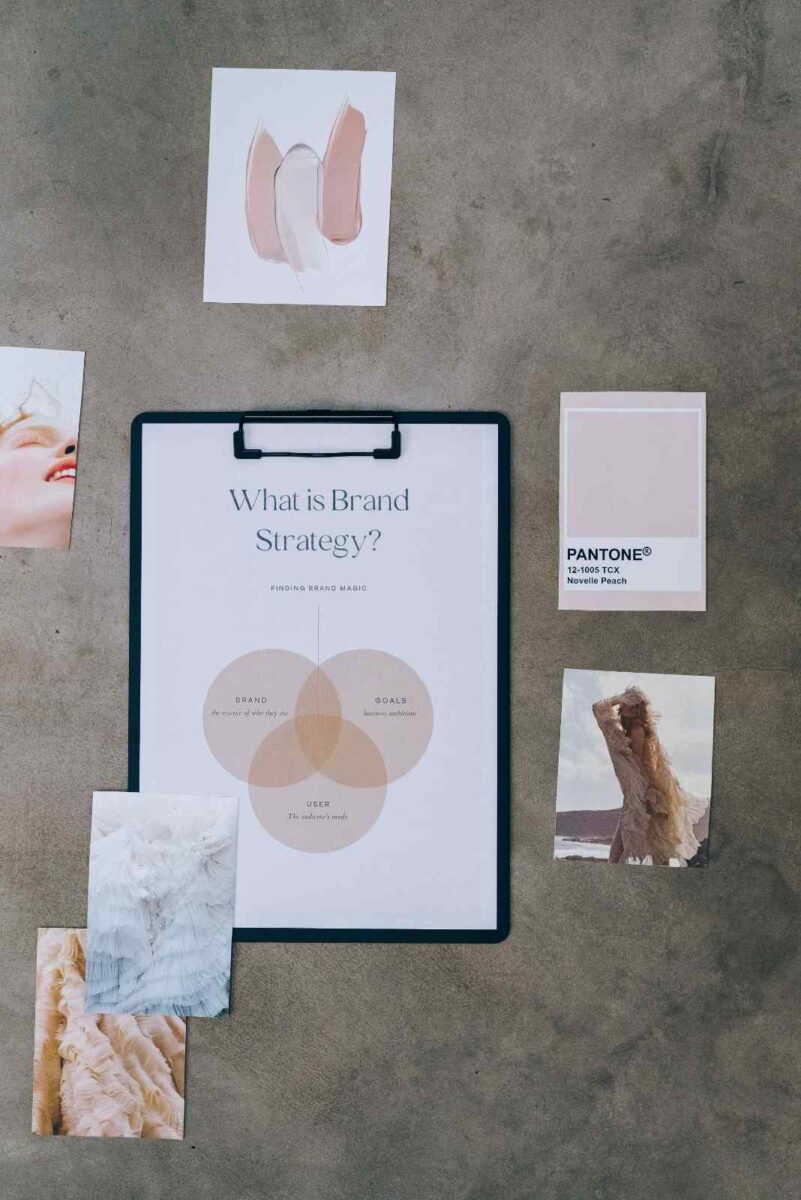
Why Is Personal Branding Important?
A strong personal brand can help you:
- Build credibility and trust
- Attract job opportunities
- Gain clients and customers
- Grow your professional network
- Become an industry expert
- Increase your online visibility
- Create new income opportunities
People are more likely to engage with someone they know, like, and trust.
1. Define Your Purpose and Goals
Before creating content or updating your profiles, ask yourself:
- What do I want to be known for?
- Who is my target audience?
- What problems can I solve?
- What are my long-term goals?
Having a clear direction helps you create consistent messaging and attract the right audience.
Example
If you’re a software developer, your goal may be to share coding tutorials, showcase projects, and connect with employers.
2. Identify Your Unique Value
Many people have similar skills, but your experiences and perspective make you different.
Ask yourself:
- What do I do better than others?
- What experiences make me unique?
- What knowledge can I share?
Your unique value proposition is what separates you from competitors.
3. Optimize Your Online Profiles
Your social media accounts and professional profiles should present a consistent image.
Update:
- Profile photo
- Bio
- Headline
- Contact information
- Portfolio links
- Skills
- Achievements
Use a professional photo and write a bio that clearly explains who you are and what you do.
4. Create Valuable Content
Content is one of the fastest ways to establish authority.
You can create:
- Blog posts
- Videos
- Tutorials
- Podcasts
- Infographics
- Case studies
- LinkedIn posts
- Social media threads
Focus on solving problems and educating your audience rather than simply promoting yourself.
5. Be Consistent
Consistency builds recognition and trust.
Maintain consistency in:
- Posting schedule
- Visual style
- Messaging
- Tone of voice
- Brand values
People should immediately recognize your content wherever they see it.
6. Engage With Your Audience
Personal branding is about building relationships, not broadcasting messages.
Reply to:
- Comments
- Messages
- Emails
- Mentions
Ask questions, participate in discussions, and genuinely interact with your community.
The more engaged you are, the stronger your relationships become.
7. Showcase Your Expertise
Share your knowledge regularly.
Ideas include:
- Industry insights
- Step-by-step guides
- Lessons learned
- Project breakdowns
- Behind-the-scenes content
- Tips and best practices
Teaching others positions you as a trusted expert.
8. Network With Others
Building connections expands your reach and creates opportunities.
Ways to network:
- Attend events
- Join online communities
- Collaborate on projects
- Participate in webinars
- Comment on industry posts
- Connect with professionals
Strong relationships often lead to referrals and partnerships.
9. Build Credibility Through Social Proof
People trust evidence more than claims.
Showcase:
- Testimonials
- Client reviews
- Awards
- Certifications
- Case studies
- Media mentions
- Successful projects
Social proof strengthens your reputation and encourages others to trust you.
10. Monitor and Improve Your Brand
Your personal brand should evolve as your career grows.
Regularly review:
- Search results for your name
- Audience engagement
- Content performance
- Profile information
- Professional achievements
Update outdated information and continue refining your strategy.

Common Personal Branding Mistakes
Avoid these common errors:
Inconsistency
Using different messages or identities across platforms confuses your audience.
Over-Promotion
Constantly selling yourself can push people away. Balance promotion with value.
Ignoring Feedback
Constructive criticism helps improve your brand.
Low-Quality Content
Poor visuals or inaccurate information can damage credibility.
Copying Others
Authenticity is one of your greatest strengths. Develop your own voice instead of imitating someone else.

Tips for Building a Strong Personal Brand Faster
To accelerate growth:
- Publish content consistently.
- Focus on one niche.
- Share real experiences.
- Stay authentic.
- Invest in learning.
- Collaborate with others.
- Build an email list.
- Optimize your website for SEO.
Patience and consistency are key to long-term success.
The Role of SEO in Personal Branding
Search engine optimization helps people discover your content.
To improve visibility:
- Use relevant keywords.
- Write helpful blog posts.
- Optimize page titles.
- Earn backlinks.
- Create shareable resources.
A strong online presence makes your personal brand easier to find.
Frequently Asked Questions
What is a personal brand?
A personal brand is the reputation and image you create through your skills, content, and online presence.
Why is personal branding important?
It helps build trust, attract opportunities, and establish authority in your field.
Can anyone build a personal brand?
Yes. Students, professionals, entrepreneurs, freelancers, and creators can all develop a strong personal brand.
How long does it take to build a personal brand?
It depends on consistency and effort. With regular content creation and engagement, noticeable growth can occur over several months.
Conclusion
Building a strong personal brand is one of the best investments you can make in your future. It helps you stand out in a crowded market, attract opportunities, and establish lasting credibility.
By defining your goals, creating valuable content, engaging with your audience, and staying consistent, you can develop a personal brand that reflects your expertise and opens doors to career and business success.
Remember, personal branding is a long-term journey. Stay authentic, keep learning, and continue delivering value, and your reputation will grow along with your influence.
